

Key Takeaways
- What to Plant in February: February is a great time to plant certain vegetables, herbs, and flowers that thrive in cooler temperatures.
- Vegetables: Spinach, kale, peas, carrots, and beets can be planted now.
- Herbs: Parsley, chives, and thyme do well when planted in February.
- Flowers: Sweet peas, hellebores, and snowdrops are ideal choices.
- Indoor Seed Starting: Begin seeds indoors for tomatoes, peppers, and eggplants to get a head start.
- Zones matter: What works in Florida might not work in Minnesota! Check your zone here.
Every gardener wonders what to plant in February. It’s like a sneak peek of spring! We will discuss all the cool stuff you can do in your garden this month, from starting tiny seeds indoors to getting some plants right into the ground.
I remember one February, I was itching to get my hands dirty. I started some tomato seeds indoors, and it felt like I was jumpstarting spring! It’s such a fun feeling to watch those little sprouts pop up. So, whether you’re a seasoned pro or just starting out, February has something for everyone.
Ready to dig deeper? Let’s break it all down!
(If you’re into eco-friendly gardening, check out my easy permaculture guide for more ways to grow a healthy garden!)
What to Plant in February: A Zone-by-Zone Guide
February gardening is like a matchmaker game: You’ve got to pair your plants with the right weather. Here’s the lowdown for every climate—no fancy jargon, just dirt-simple advice.
1. Warm Climates (Southern California, Florida, Texas)
Think: Sunshine and sweater-free days.
- Veggies to plant: Tomatoes, peppers, and bush beans (they’ll soak up the sun like beachgoers).
- Herbs: Basil and oregano (they thrive here year-round).
- Flowers: Marigolds and zinnias (they’re basically solar-powered).
- Pro tip: In Florida, you can plant okra in February—it grows so fast. Just keep an eye out for sneaky snails!
Got sandy soil? Try no-dig gardening to keep moisture locked in.
2. Temperate Zones (Zone 7-8: Virginia, North Carolina, Oregon)
Think: Mild days, chilly nights.
- Veggies: Leafy greens (lettuce, spinach), peas, and radishes.
- Flowers: Sweet peas and snapdragons (they’re tough cookies).
Struggling with pests? Companion planting can save your greens from becoming bug buffets.
3. Cold Climates (Zone 3-6: Minnesota, Michigan, Maine)
Think: Snow boots and hot cocoa weather.
- Veggies: Start kale, broccoli, and cabbage indoors (use egg cartons or yogurt cups).
- Flowers: Pansies (they’ll bloom even if snowed on—true drama queens).
Indoor seeds looking sad? Give them a nutrient boost with seedling-friendly fertilizer.
What If You’re Not Sure About Your Zone?
Check the USDA’s zone map (it’s free online!). Or do what I do: Ask a local gardener. (They’ll probably also tell you the best nursery in town—win-win.)
One Big Mistake to Avoid
Don’t plant warm-weather crops like cucumbers or melons too early, even if you’re impatient.
What’s Next?
Now that you’ve sorted your zone, let’s talk about the best veggies, herbs, and flowers to plant this month—plus how to keep them alive when winter throws a tantrum.
(Pssst… Want to attract butterflies and bees to your February garden? Here’s how.)
Vegetables to Plant in February
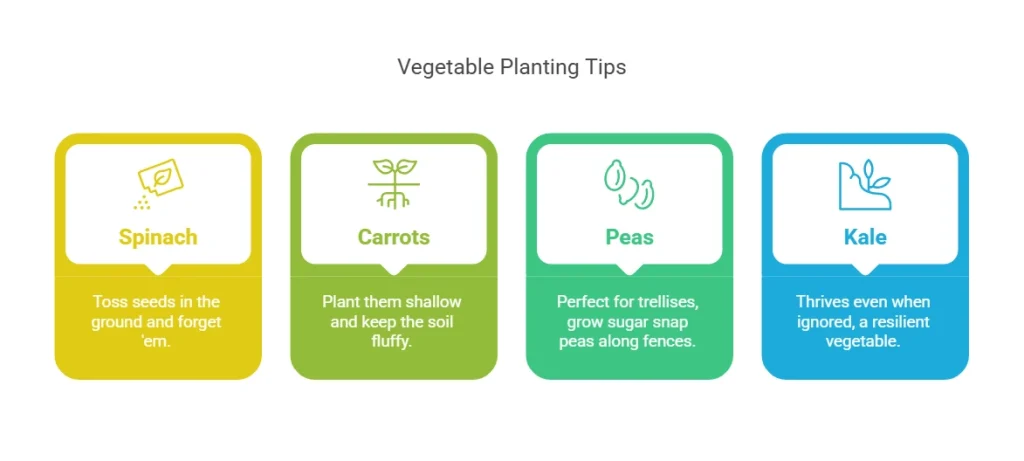
Cold-weather champs (they’ll shrug off frost):
- Spinach: Toss seeds in the ground and forget ’em (mostly).
- Carrots: Plant them shallow, keep the soil fluffy. Pro tip: Mix seeds with sand to avoid overcrowding.
- Peas: Perfect for trellises. I grow sugar snap peas along my fence—they’re like edible confetti by April.
- Kale: The superhero of veggies. Even if you ignore it, it’ll thrive. (I’ve tested this. Repeatedly.)
Wait, what about potatoes?
Yes! In zones 7-10, toss seed potatoes in the ground now. In colder spots, start them indoors in bags. (More on that here.)
Avoid: Tomatoes, cucumbers, or melons in cold zones. They’ll sulk. Trust me—I’ve nursed too many frostbitten seedlings back to life.
Herbs to Grow in February
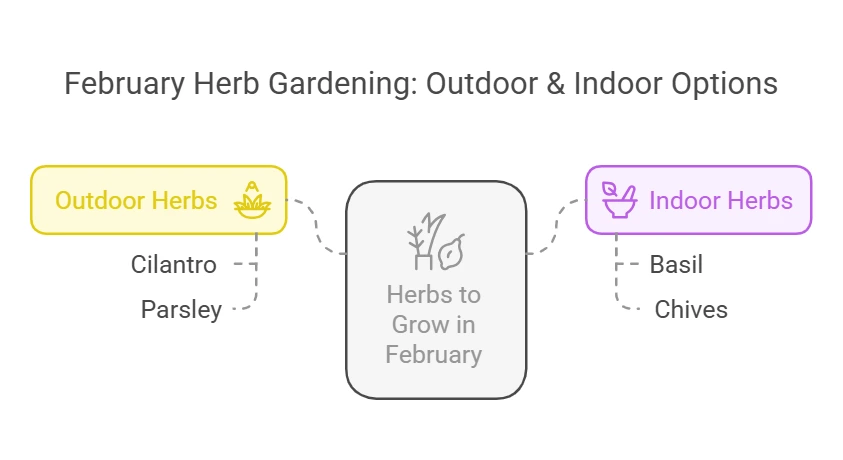
Outdoor herbs (if you’re in warm zones):
- Cilantro: Thrives in cool weather. Fun fact: It bolts (goes to seed) fast in the heat, so February is prime time.
- Parsley: Plant it once harvest all spring. My grandma’s secret: She sprinkled coffee grounds around hers for extra nutrients.
Indoor herbs (everywhere else):
- Basil: Start seeds on a sunny windowsill. Use egg cartons—they’re free and fit perfectly on a sill.
- Chives: Grow them in old mugs. They’re low-drama and cute.
Pro tip: Herbs hate soggy feet. Use pots with drainage holes or poke holes in yogurt containers. (I’ve killed more herbs with overwatering than I’d like to admit.)
Flowers to Plant in February
Early bloomers (they laugh at frost):
- Pansies: Plant them now, and they’ll bloom until summer. I once forgot pansies in a pot over winter—they came back stronger.
- Snapdragons: These guys are tougher than they look. Bonus: Bees adore them.
- Calendula: Edible petals + pest-resistant. I toss seeds in empty garden corners, filling the space like confetti.
For warm climates, Try marigolds or sunflowers. They’ll soak up the sun and bloom faster than you can say “spring.”
Got shade? Plant violas. They’ll brighten up dark corners without complaining.

One Thing Nobody Tells You
Soil matters more than seeds. If your plants look sad, mix in compost or aged manure. For a lazy fix, try mulching—it’s like a cozy blanket for your garden.
(Psst… Want to grow a garden that’s kind to the planet? Here’s my eco-friendly gardening guide.)
February Gardening Tips & Methods: Keep Your Plants Happy (and Alive)
February gardens are like toddlers—they need a little extra care, but the payoff is huge. Here’s how to avoid common pitfalls and make your plants thrive, even if the weather’s grumpy.
1. Indoor Seed Starting: Your Mini Plant Nursery
What to start now: Broccoli, kale, lettuce, and herbs like basil.
- Hack: Use recycled containers! Egg cartons, yogurt cups, or even toilet paper rolls work. (I’ve grown tomatoes in yogurt cups.)
- Light trick: No sunny window? Grab a $10 grow light from the hardware store. Your seedlings won’t know the difference.
- Watering: Keep soil damp, not soggy. Think of it like a wrung-out sponge.
Pro tip: Label your seedlings. Trust me, “Mystery Plant #5” gets old fast.
(Need help with seedling food? Here’s my guide to seedling nutrition.)
2. Frost Protection: Outsmart the Cold
Cheap fixes:
- Milk jug greenhouses: Cut the bottom off a jug and place it over seedlings. Instant igloo!
- Old blankets: Drape them over plants on frosty nights. (Yes, your grandma was onto something.)
- Mulch magic: Pile straw or leaves around plants. It’s like tucking them into bed.
I once made a mistake by using a plastic tarp without stakes—it blew into my neighbor’s yard. Oops.
3. Soil Prep: Don’t Skip This!
Simple steps:
- Loosen soil: Grab a fork and poke holes to let roots breathe.
- Mix in compost: Like vitamins for your plants. No compost? Crushed eggshells work, too.
- Test drainage: Pour water on the soil. If it pools, add sand or perlite.
Fun fact: Worms are your friends. If you see them, your soil’s healthy!
(Want super soil without digging? Try no-dig gardening.)
4. Companion Planting: Garden BFFs
Good combos:
- Lettuce + radishes: Radishes grow fast, and mark rows for slowpoke lettuce.
- Peas + carrots: Peas add nitrogen to the soil—carrots love that.
Avoid: Planting onions near peas. They’re like siblings who fight over the last cookie.
(For more combos (and enemies!), read Companion Planting Gone Wrong.)
5. Watering Wisdom
- Morning is best: Water early, so leaves dry before night (prevents mold).
- Use a rain gauge Or stick your finger in the soil. If it’s dry up to your knuckle, water.
- Don’t overdo it: Plants hate wet feet. (RIP, my drowned basil of 2020.)
One Secret to Success
Talk to your plants. Seriously! They don’t care if you rant about the weather or sing Taylor Swift—they like the CO2 from your breath.
(Want a garden that helps the planet? Here’s how to create a pollinator paradise.)
What NOT to Plant in February (and What to Do Instead)
February might feel like spring is teasing you, but some plants can’t handle the cold shoulder. Here’s how to avoid heartbreak (and wasted seeds).
Plants That Hate February
1. Tomatoes, Peppers, and Eggplants
- Why: These are warm-weather divas. Planting them too early is like sending a kid to school in pajamas—they’ll freeze and sulk.
- If you’re itching to grow them, start seeds indoors. I keep mine under grow lights until nights stay above 50°F.
2. Cucumbers, Melons, and Squash
- Why: They’re frost wimps. Even a light chill turns their leaves into sad, crispy confetti.
- The mistake I made: I once planted zucchini in February. It sprouted, and then a frost hit. RIP, zucchini dreams.
3. Tender Herbs Like Basil
- Why: Basil acts like a drama queen in cold soil. It’ll yellow, shiver, and give up.
- What to do: Grow it indoors near a sunny window. My kitchen basil lives in a coffee can—it’s thriving and smells fantastic.
4. Tropical Flowers (e.g., Hibiscus, Begonias)
- Why: They’re sun worshippers. February’s moody weather? Not their vibe.
- Exception: If you’re in Florida or Southern California, go nuts!
“But What If I’m Impatient?!”
Try these instead:
- Greenhouse hacks: To combat the cold, use a cold frame or cloche (a fancy word for a clear lid).
- Microgreens grow in 2 weeks! Sprinkle seeds on a damp paper towel—no soil is needed. They are kid-friendly and instant gratification.
- Flower bulbs: Plant summer bloomers like lilies or gladiolus in warm zones.
One Big Rule
Check your last frost date (search online for your town). If it’s more than 6 weeks away, stick to cold-hardy plants.
Spring Garden Planning: Get Ready for the Next Big Thing!
While your February crops are busy growing, it’s time to dream up your spring garden. Think of this as your garden’s “glow-up” phase—let’s make it epic.
1. Start with a Garden Map (No Art Skills Needed)
How to plan:
- Napkin doodles: Sketch where you want tomatoes, cucumbers, or flowers. Bonus: Spill coffee on it for “authentic rustic charm.”
- Use free apps: Try apps like Planter or Gardenize, which are like Tetris for gardeners.
- Crop rotation: Don’t plant the same veggies in the same spot twice. (My garlic grew sideways last year because I ignored this rule.)
(Need help designing? Read vegetable garden planning guide!)
2. Order Seeds NOW
Why: Popular varieties sell out fast. (RIP, my dreams of purple carrots in 2022.)
What to grab:
- Spring stars: Snap peas, lettuce mixes, and beetroot.
- Flower power: Sunflowers, cosmos, and nasturtiums (they’re edible!).
- Herbs: Dill, thyme, and lemon balm.
Pro tip: Split seed packets with a friend. You’ll save money and avoid accidentally growing 300 radishes.
3. Prep Your Soil Like a Pro
Tasks to tackle now:
- Test your soil: Kits are $10 online. Too alkaline? Coffee grounds to the rescue.
- Add compost—it’s like a buffet for your plants. No compost? Toss banana peels in a bucket of water for a week—mix the “tea” into the soil.
- Mulch: Keep weeds from crashing your garden party.
(For lazy soil prep, try no-dig gardening. It’s life-changing.)
4. Schedule Your Spring Planting
Mark your calendar:
- 2 weeks before the last frost: Plant peas, spinach, and kale outside.
- After frost: Tomatoes, peppers, and basil.
- Pro hack: Write dates on popsicle sticks and stick them in your garden. Did you forget when you planted? Just read the stick!
5. Repurpose Winter Supplies
Turn February gear into spring tools:
- Milk jug cloches → seedling protectors from birds.
- Frost blankets → shade cloth for delicate seedlings.
- Egg cartons → seed starters for flowers.
My favorite upcycle: An old ladder as a trellis for beans. Pinterest-worthy and free.
One Secret to Stress-Free Gardening
Grow what you love. Don’t plant kale just because everyone else does—unless you like kale smoothies. (I don’t. There, I said it.)
Conclusion: Your February Garden Adventure Starts Now!
Look at you—armed with all the know-how to turn February’s gray days into a green-thumb victory!
The key takeaway? Start small. Grab a $2 packet of spinach seeds and a pot of dirt, and see what happens. Gardening isn’t about perfection; it’s about digging in, getting dirty, and watching tiny seeds turn into something you can eat, admire, or gift to your neighbor.
If you take one thing from this guide, let it be this: Your garden is your playground. Forget the rules if they stress you out. Sing to your seedlings, protect them with old socks (yes, I’ve done it), and celebrate every little leaf like a gold medal.
Now, go forth and grow something!
Happy planting, friend!
FAQs Answered
Yes, but only if your soil isn’t frozen! In cold zones, use a raised bed or containers. Carrots in pots are way easier to harvest—tip them over and shake!
Depends! In zones 7-10, plant them outside. Elsewhere, start “chitting” (sprouting) potatoes indoors. I line mine up on egg cartons near a window—they grow little zombie arms ready for soil.
Cause: Not enough light. Seedlings stretching for the sun like kids reaching for cookies.
Fix:
Move them to a sunnier spot.
Rotate pots daily so they grow straight.
Trim the top leaves to encourage bushiness.
(Leggy seedlings? Give them a nutrient boost with this guide.)
Troubleshooting Table: Quick Fixes
| Problem | Solution |
| Yellow leaves | Too much water! Let the soil dry out. |
| Holes in leaves | Holes in leaves Sprinkle coffee grounds (slugs hate caffeine). |
| Slow growth | Add compost or fish emulsion. |
| Wilting plants | Check for overwatering OR frost damage. |

