Welcome to our gardening journey! This article delves into seedling nutrition, providing crucial tips for initiating a robust garden. Starting the day with a nutritious breakfast boosts our energy levels, just as giving proper nutrition sets the stage for our seedlings to flourish.
With your assistance, we can guarantee our plants receive the necessary care to thrive and prosper.
Collaborate with us to design a beautiful, environmentally friendly outdoor space.
Why Seedling Nutrition Matters?
Think of seedlings as newborns, delicate, full of potential, and hungry for life.
Seedlings need good soil, sun, water, and nutrition.
The Essential Nutrients
- Calcium: Seedlings need sturdy stems, just like we need strong bones.
- Magnesium: helps with leafy growth and photosynthesis.
- Potassium: regulates water balance and strengthens stems.
- Phosphorus: The secret behind sturdy roots and blooming flowers.
- Nitrogen: Nitrogen fuels leafy growth—the lush green that makes you want to high-five your plants.
The Sustainable Feast
April has arrived, and I am excited to see the progress of my plants as they begin to sprout.
The warmer weather and longer days are perfect for nurturing new growth.
Whether it is a cozy greenhouse or the comfort of home, creating optimal conditions for our seedlings is essential. Quality soil, ample light exposure, and precise watering play starring roles in nurturing their health and vigor. A varied diet is critical for reaching their full potential and ensuring health and disease resistance.
Healthy soil rich in nutrients forms the basis for flourishing seedlings.
For optimal growth and full potential, plants require proper nutrition. Providing the necessary elements ensures healthy development.
Start with Quality Soil
Think of your soil as the foundation for your success. Buy high-quality, organic soil rich in nutrients. Or you can make some DIY potting Mix; Your Soil, Your Rules. Mix:
- Compost: A generous scoop.
- Coconut Coir: Think of it as the flour—it holds moisture and provides structure.
- Perlite or Vermiculite: These are like sprinkles—light and fluffy.
Making your potting mix has a sustainability benefit: Reduce, Reuse, and Recycle.
Soil Health = Plant Health
Remember, healthy soil leads to healthy plants. Increase some compost or mature manure, and watch your seedlings grow.
- Compost: improves soil health and fertility. Your plants will thank you.
- Manure: provides essential nutrients and promotes long-term soil health. Your seedlings will grow like champions.
The Song of Sun: Photosynthesis
Light plays a vital role in our seedling nutrition recipe. Just as humans require their daily dose of vitamin D, seedlings yearn for sunlight to fuel robust growth. Photosynthesis, the magical process by which plants transform light into energy, is their secret superpower. So, ensure they bask in the spotlight! Here are two options for providing adequate light to seedlings:
Picture this: your seedlings craving that sweet sunshine, like a warm hug from Mother Nature herself. So, find a cozy spot where they can soak up 6-8 hours of that natural sunlight. It is like giving them a little outdoor spa day, you know?
I get it. Not everyone got a sun-drenched paradise for their plants. No worries! That is where our trusty grow lights come in. Think of them as sun substitutes, showering them with that nurturing glow they crave.
Remember to keep a close eye on the intensity and duration of light exposure to prevent burning or stunting growth. Additionally, rotating seedlings will ensure even growth and prevent leaning toward the light source.
Think of light as their love language. They absorb it through their leaves, like sipping herbal tea. And just like us, they thrive when bathed in sunshine. So, let there be light, dear gardener!
Hydration Magic: Watering Your Seedlings Wisely
Water is one of the crucial ingredients in our seedling nutrition recipe. Seedlings need hydration to thrive. You must find that balance, just as you would in real life!
Maintaining the ideal soil moisture balance is vital when nurturing seedlings. Think of it as supporting a steady rhythm—neither parched nor flooded. It is all about finding that sweet spot, like a delicate dance between hydration and restraint.
Trust me, these little guys thrive on balance.
When you get it just right, you will witness them flourishing like the true champs they are!
Soaking is better for the development of the root system.
Infrequent but deep watering.
Encourage roots to stretch downward, seeking nourishment.
I usually place the seedling containers in water once or twice a week.
This allows the roots to absorb water and develop better.
Rainwater catchment
Harvesting rainwater saves money on water while also providing a natural irrigation source for plants and gardens.
Set up a barrel or grab a watering can to collect this precious resource.
Rainwater is a natural elixir for your plants— free of chlorine and other chemicals, promoting their health.
Feeding Your Seedlings: Homemade Nutrient Boosts
While nutrient-rich soil lays the groundwork, our little green sprouts can use an extra boost as they grow.
Consider whipping up homemade nutrient concoctions to nourish them further.
I create high-quality seedling nutrition by crafting homemade fertilizers using readily available ingredients from nature or the store.
The fertilizers include yeast, nettle, and milk.
Recipes for homemade seedling nutrition fertilizers:
Creating Your Homemade Nettle Fertilizer

Let’s embark on a wild, green adventure. I’ve stumbled upon a secret recipe for creating nitrogen fertilizer that’ll make your plants shimmy with delight.
Ingredients for Our Potion
- Nettles: These feisty little greens are our stars. You can pluck fresh ones (about 1 kg) or the dried version (200 g). Nettles, my friends, are like the rebels of the plant world—full of spunk and hidden powers.
- Rainwater: Imagine collecting raindrops in your palms. Now multiply that by 10 liters. That’s the liquid gold we’ll use to brew our elixir.
Find a plastic bucket. Place your nettles inside. Stir it all up—a whirlwind romance between water and green. Now, here’s where it gets interesting. Park your bucket in a sunny spot. The nettles will soak up the sun like sunbathing divas. But beware—the mixture might develop a slightly pungent odor. Think of it as their rebellious perfume.
Let it sit. Ten to fifteen days. The exact duration? Well, that depends on the weather. In summer, it’s like a speed date—around five days and up to 15 days in cooler weather.
When the foaming subsides (yes, our nettles throw a foam party), strain the liquid. Voilà! Fermentation complete. You’ve just birthed nitrogen magic.
Application as Fertilizer:
- Watering: mix the nettle liquid with water in a 1:10 ratio. This provides the right balance for growth.
- Foliar Fertilization: For an immediate boost, dilute it in a 1:50 ratio and apply it directly to the leaves. Your plants will appreciate the extra care!
Now, step back and witness your garden thrive—the magic of new beginnings unfolding!
Creating Yeast Solutions for Gardening
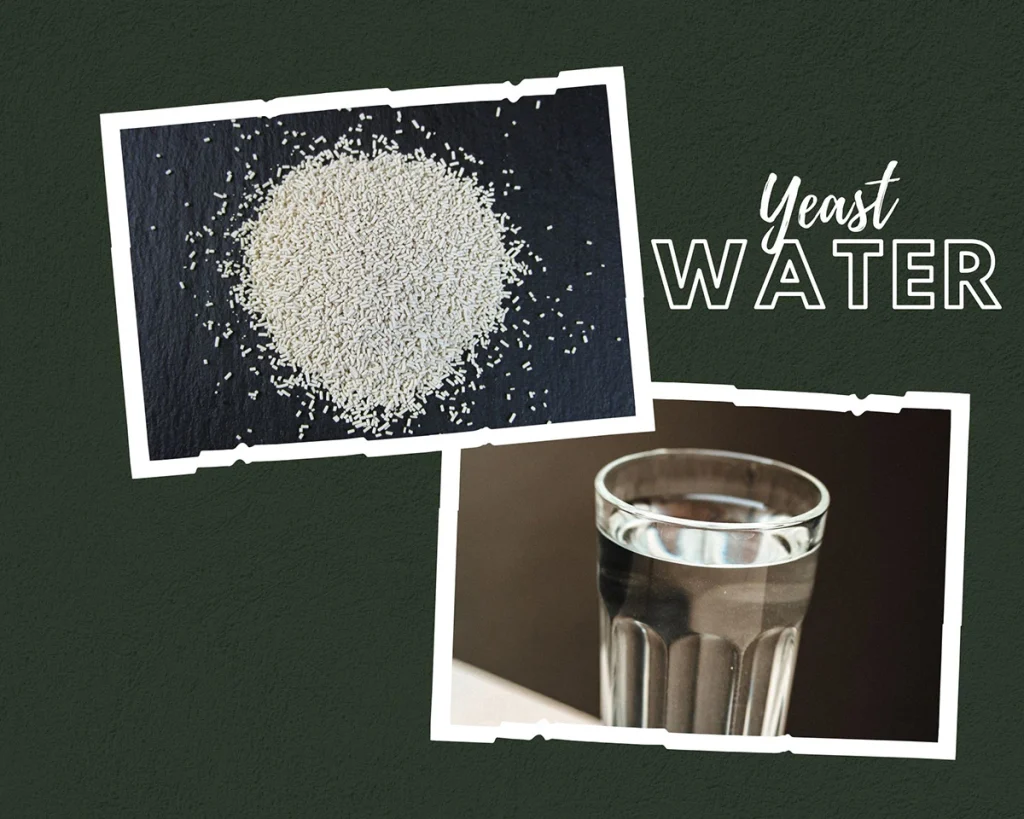
Now, yeast is not just for baking bread; it is like a secret potion for your seedlings. Packed with all those essential minerals, it is like giving their roots a super boost!
So, here is the lowdown: snag yourself a teaspoon of dry yeast, toss it in lukewarm water, and sprinkle in a bit of sugar. Make a good stir, let it do its thing for a while, then thin it out with more water (1:10 ratio). Easy peasy, right? Just remember, moderation is essential in all things garden-related!
Use it every 15 days to keep your plants smiling and growing strong. A little insider tip: don’t forget to check in on your soil’s calcium and potassium levels. It is like keeping tabs on your health—you want everything balanced. Too much of a good thing can sometimes cause chaos in your garden paradise.
Milk: A Garden Superfood

Milk comes like a superhero potion packed with all the good stuff: potassium, calcium, sulfur, phosphorus—you name it! It is like giving your plants a big, warm hug of nourishment, boosting their strength and vitality from the roots up. Trust me, they will be thriving in no time!
So, picture this: your plants lounging in their pots, sipping on milk like their own little protein shake. It is like a rejuvenating spa day for them, and trust me, they will thank you for it with lush, vibrant growth!
Now, we can talk about plant immunity. Just like humans need vitamins and minerals, our green companions crave their own dose of goodness. Milk delivers! Creating a tiny shield protects your plants from pests and diseases. So, next time you pour yourself a glass of milk, share a splash with your green friends —they will thank you with vibrant, pest-resistant foliage.
Milk is ensuring it absorbs those nutrients like champs. It is like upgrading their nutrient highway from a bumpy dirt road to a smooth, four-lane expressway. So, when you water your green darlings, add a touch of milk to their meal. Watch them gulp it down, high-fiving each other underground. Efficient nutrient absorption? Check!
Bonus: Milk can also be used in the garden to control pathogens and pests, support growth, improve fruit quality, and form a protective film on leaves.
Dilute fresh, unprocessed milk with water (1:10 ratio) for watering seedlings.
Troubleshooting Seedling Challenges: From Drama to Green Dreams
Whether you are tending to a cozy windowsill herb garden or coaxing vibrant veggies from your backyard soil, we have all encountered those pesky seedling hiccups.
Working collaboratively, we can identify some watering, sunlight exposure, or pest-related issues that may lead to wilting.
By resolving these issues, we can assist your plants in recovering their vigor and well-being.
1. The Case of the Leggy Seedlings
Picture this: your seedlings stretching toward the sky like eager sunflowers. But wait—why are they so leggy? This happens when they reach for light but don’t find enough. Solution? More sunlight! Move them to a sunnier spot, and watch those stems bulk up.
2. Drowning Drama: The Soggy Soil
Seedlings need just the right amount of water. Too much, and they will drown (The root will rot). Too little, and the leaves will begin to droop. So, here is the secret handshake: water gently. And if the soil feels like a soaked sponge, back off. Your seedlings will thank you with perky leaves.
3. The Mystery of Yellowing Leaves
Yellow leaves? When those vibrant green leaves start to fade, it is time to play detective. Yellowing leaves often signal nutrient deficiencies.
Here is your action plan: Organic Fertilizers or some of our DIY seedling nutrition bosts. Sprinkle it lovingly around the roots of your yellowing seedlings. Think of it as a nourishing hug for their little plant souls.
Remember, a dash of care and nutrients can turn those yellow leaves into green dreams! Watch those leaves regain their emerald glory.
4. The Wilting Waltz
Your seedlings are wilting. Check their soil. Is it too dry? Too wet? Adjust accordingly. And here is a secret move: mist their leaves.
5. The Transplant Trauma
You have decided it is time for a bigger pot. Transplant with care and pat the soil gently.
Conclusion
At the heart of this journey lies a crucial secret: seedling nutrition. As I sign off, remember this: seedling nutrition isn’t just about feeding plants; it’s about nurturing life.
Nurture Your Garden: Keep providing your garden with essential sunlight, water, and nutrients. Embrace the journey of growth and transformation, witnessing the beauty that emerges from your efforts.
Seedling nutrition FAQs
Check the soil and water when the top inch feels dry. Infrequent but deep watering. I usually place the seedling containers in water once or twice a week. This allows the roots to absorb water and develop better.
Buy high-quality, organic soil rich in nutrients. Or you can make some DIY potting by mixing compost, coconut coir, perlite, or vermiculite.
Seedlings need 6-8 hours of sunlight. For indoor plants, you need a sunny window or grow lights.
Leggy stems result from insufficient light. Relocate seedlings to a brighter spot or use grow lights. Gently brush them to simulate outdoor breezes and strengthen stems.
Wait until they’ve grown their first true leaves (a few weeks after germination). Signs: slow growth, pale leaves, or yellowing. Use diluted organic fertilizer or compost tea carefully.
Remember, gardening is an adventure—ask questions and learn from fellow green thumbs!