Sustainability has become a top priority, leading to a surge in the popularity of regenerative agriculture, PERMACULTURE, and no-dig gardens. The most essential part of any garden is definitely the soil.
Today, we employ various vegetable-growing techniques, yet we still grow most vegetables in the open air. Due to climate changes and increasingly aggressive agricultural production that uses more and more chemical pesticides and synthetic fertilizers, the earth as a living organism suffers more and more and slowly dies. It is the last moment to do something to preserve the land on which we depend. There is a piece of land on my property that my grandmother used for years to grow vegetables. I inherited this piece of land and continued to grow vegetables on it. My decision is to change the way of cultivation.
As I mentioned, my garden has been cultivated classically for 50 years. My first year in this garden was so much difficult. My garden was almost devoid of living things. I had to water more, and my plants got sick. Various pests attacked them. I experienced a feeling of being unable to cope with a situation.
My journey into sustainable agriculture began when I stumbled upon Sepp Holzer’s book on PERMACULTURE. This was a turning point that shifted my perspective on farming and agriculture. I delved deeper into permaculture and other sustainable agricultural practices, eventually discovering the no-dig method and regenerative agriculture.
What is No-Dig Gardening?
No-dig is a simple and effective way to prepare your land for the new growing season. All you need is a little determination, persistence, and compost.
This method places compost and various organic materials on the ground, allowing nature to do most of the work. The goal is not to disturb the soil; we preserve its structure and all microorganisms within it.

You will definitely need to change your perspective on gardening.
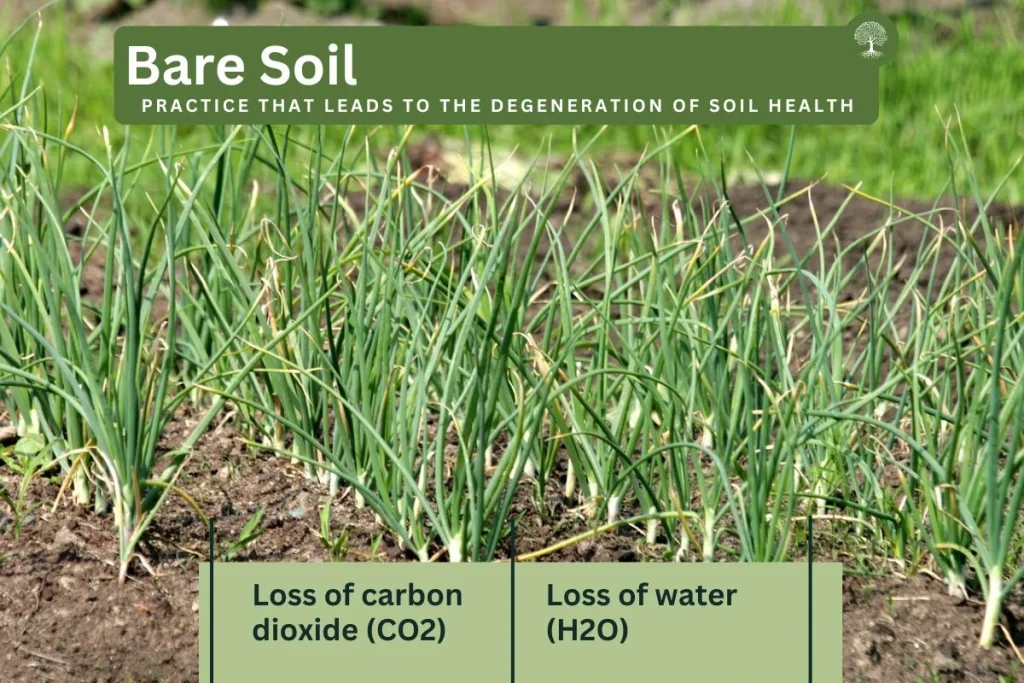
In my environment, people need to remember the old values of food cultivation. They have widely adopted new techniques and technology to increase product quantity, but in doing so, they have overlooked quality. My grandmother did not use various pesticides and herbicides in the garden. Even without that, she caused enormous damage to the earth as a living organism. In her garden, she always planted several rows of one crop before planting several rows of the next crop. In this way, she created a monoculture garden. She did not allow even the tiny grass to spoil the appearance of her garden. As a result, weather conditions exposed the soil to the elements throughout the year. All this affected the soil and the living world.
The no-dig system is not just about avoiding soil disturbance; it’s about building and upgrading the soil, bringing life back to it. By embracing this method, we foster a harmonious coexistence with all the micro and macro organisms in our soil, including insects. We restore natural biodiversity, which is crucial for a healthy and sustainable ecosystem.
What is Regenerative Agriculture?
Regenerative agriculture deals with the preservation and recovery of already damaged land. It tailors cultivation to local ecosystems and climates while also improving soil health. “According to an estimate by the United Nations Food and Agriculture Organization (FAO), more than half of farmland around the world is degraded.”
Synthetic fertilizers, chemical pesticides, and heavy machinery are commonly used today to produce monocultures of agricultural products. These techniques reduce the cost of food production and increase efficiency, so hybrid crops have become more common.
This type of land cultivation affects soil fertility and destroys microorganisms. The soil absorbs water with difficulty, is sensitive to erosion, and becomes less productive.
There is no need to talk about synthetic fertilizers and pesticides.
Many farmers do not respect the prescribed ways of using these poisons, so there is frequent news from all over the world about the plague of different species of birds, fish, and bees.
Let’s champion the principles of regenerative agriculture and give back to the soil that sustains us. Cultivating crops that can regenerate or protect the soil can pave the way for a sustainable future. Let’s integrate permaculture and sustainable agriculture into our daily lives and contribute to a healthier planet.
Permaculture relies on principles and patterns that it transcribes from nature.
Sustainable agriculture tries to maintain the existing soil quality.
Regenerative agriculture aims to improve and upgrade soil quality. Through the principles of regenerative agriculture, we also influence the climate, which is very important during a time of significant climate change.
The Intersection: How No-Dig Gardening and Regenerative Agriculture Align
The goal is the same for no-dig gardening and regenerative agriculture. Which is respect for the soil and dedication to its health and vitality.
No-dig gardening is practiced in small vegetable plots. Followed by small growers with the idea of minimal soil disturbance. Every time we add organic matter to our soil, we allow nature to live and create new life for our plants.
Regenerative agriculture is intended for larger areas. The goal is to revitalize and regenerate the soil. Various methods bring health to the soil.
Both methods share the goal of caring for the soil, which is understood as a living ecosystem.
The techniques used in both methods are:
- Cover crops are plants grown to protect and enrich the soil. They also prevent erosion, control weeds, and improve soil fertility.
- By composting, we return all organic waste to the earth. Turning it into compost, we enrich the soil with nutrients and microorganisms.
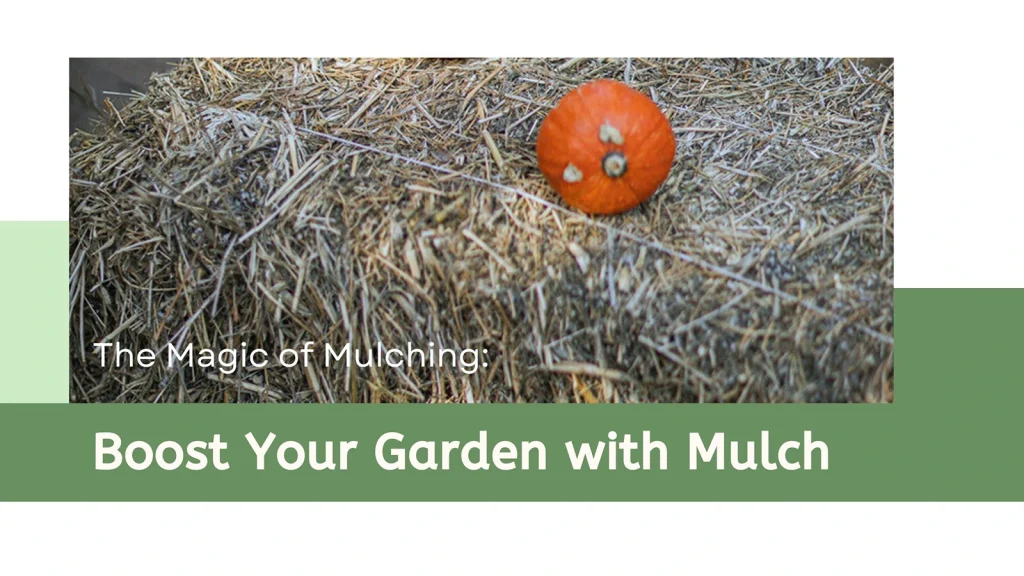
- Mulching is essential in this type of cultivation. First of all, mulch protects the soil from weather conditions. Mulch will retain moisture, regulate soil temperature, and suppress weeds. And over time, it will decompose and thus enrich the soil.
A common goal for both no-dig gardeners and regenerative farmers is to maintain the soil and improve it with each season.
After all, I asked myself what I could do to influence the health of my garden!
Cover Cropping: Building Soil Health from the Ground Up
What is a cover crop?
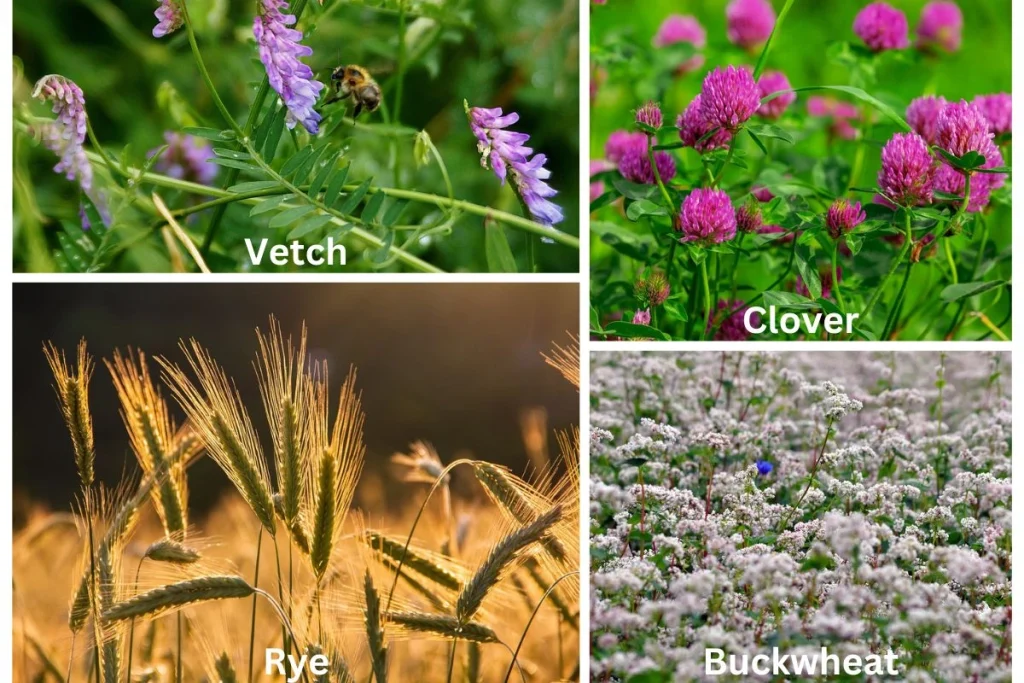
A cover crop means planting clover, vetch, and rye for green manure. These crops are grown in the off-season when they cover the ground. They can also be understood as living mulch. The cover crop is used as mulch; it is left on the ground after harvest to decompose and enrich the soil. Before harvesting, it simply protects the soil from erosion and weather conditions.
Cover crops significantly restore soil organic matter, improve water flow, and restore biodiversity, leading to more fertile soil. These are reasons why cover crops are considered the basis of regenerative agriculture.
Cover crops also affect weed control.
Composting: Turning Waste into Gold
Composting different organic waste (fallen leaves, kitchen waste, grass clippings) produces fertile soil. Adding compost to our gardens enriches the existing soil. Because of this property, compost is essential in both regenerative agriculture and no-dig gardens.
Advantages of Compost
Compost improves the structure of the soil with its composition. By adding compost to clay soil, we enable better water absorption. In contrast, compost on sandy soil has the opposite effect, as it retains water better. This improved soil allows plant roots to spread and penetrate deeply.
Various microorganisms necessary for every soil and plant are an integral part of compost. These microorganisms break down nutrients that plants can more easily absorb as food.
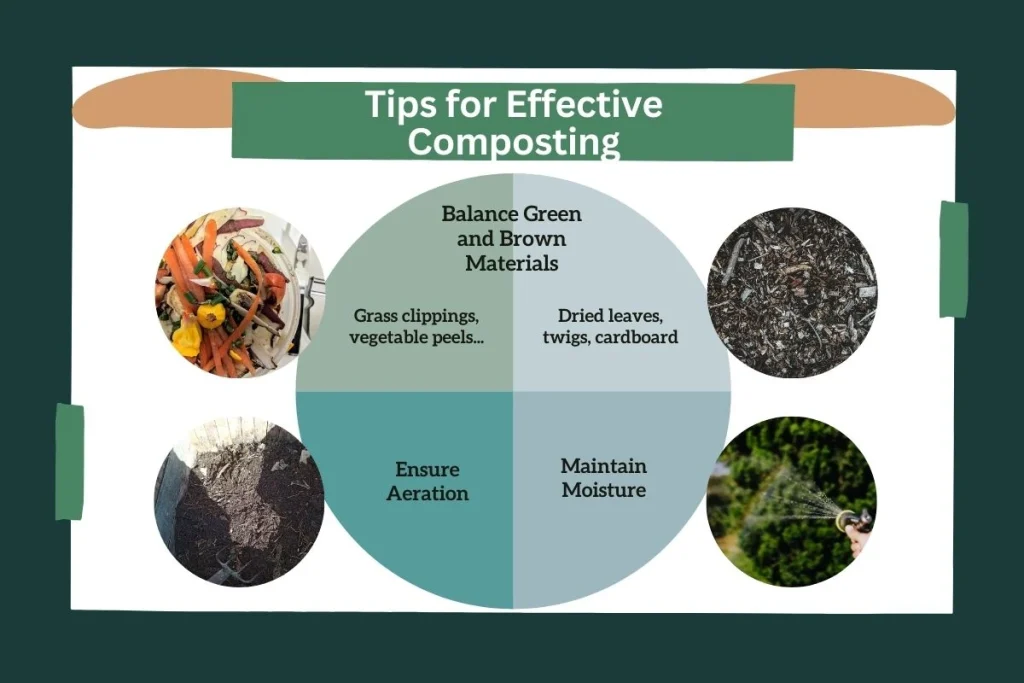
Tips for Effective Composting
- Balance Green and Brown Materials: Balance the green and brown elements added to the compost pile. Green materials such as grass clippings, unused fruits and vegetables, and vegetable peels from the kitchen are rich in nitrogen. Dried leaves, twigs, and wood chips are brown materials rich in carbon.
- Ensure Aeration: Compost must be airy. All living things need oxygen, and so do the microorganisms in the compost bin. To accelerate the breakdown of organic matter, regularly turn the compost.
- Maintain Moisture: Moisture is significant for compost, but avoid excessive watering. It should be damp, not soggy.
In our garden, we will always use ready compost because it enriches the soil and benefits plants.
For those who find composting too complicated, you can always practice composting directly in your raised beds. I personally use this composting method. By continually adding garden waste to my beds, I enable direct composting, thus improving the soil in my garden.
Minimizing Soil Disturbance: Letting Nature Take the Lead
Sustainable agriculture advocates for the preservation of undisturbed soil. We must preserve, protect, and improve the soil and its complex ecosystem. We should allow it to maintain its structure. This means that as gardeners, we should disturb it as little as possible. And it is up to us to choose how we will do it. My choice is no-dig gardening. What’s yours?
Conclusion
If we want a healthy planet in the future, we must start changing how we produce food. We are creating sustainable agriculture by implementing no-dig gardening and regenerative agriculture. We aim to breathe new life into our soil and improve its quality.
Let’s change our perspective on gardening and agriculture and start preserving and restoring the soil that sustains us.
Let’s move forward with determination; the seed of change is in our hands!
Happy gardening!
No-Dig Gardening Meets Regenerative Agriculture FAQS
The no-dig system is more than just a gardening method; it’s a way to build and upgrade the soil, breathing life back into it. By embracing this method, we not only foster a harmonious coexistence with all the micro and macro organisms in our soil, including insects, but also restore natural biodiversity. This is a crucial step towards a healthier and more sustainable ecosystem, a responsibility we all share.
Regenerative agriculture, with its aim to enhance soil quality, also has a significant impact on climate management. Permaculture, in contrast, is a farming method that draws its principles and patterns directly from nature, fostering a deep connection with our natural environment. Sustainable agriculture, as its name implies, is focused on maintaining the current soil quality.
Both methods use cover crops, composting, and mulching to care for the soil. Cover crops protect and enrich the soil, prevent erosion, and control weeds. Composting returns organic waste to the earth, enriching the soil with nutrients and microorganisms. Mulching protects the soil from weather conditions, retains moisture, regulates soil temperature, suppresses weeds, and enriches the soil as it decomposes over time.