
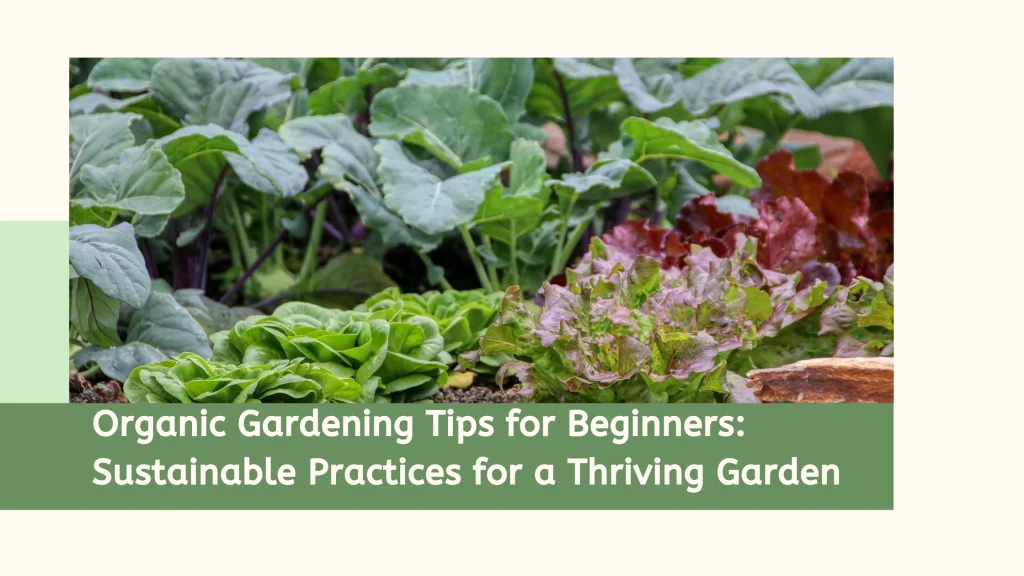
If you’re new to gardening tips for beginners, let me share a secret: my first attempt looked like a salad bar for slugs. But here’s the thing—organic gardening isn’t about flawless rows of veggies or Instagram-worthy blooms. It’s about sustainable, joyful growing that works with nature. And guess what? You don’t need a green thumb—just a little know-how.
I’ve learned that skipping harsh chemicals and embracing eco-friendly practices means healthier plants, tastier harvests, and a happier planet. Whether you’re planting in pots or a backyard plot, organic gardening saves money (goodbye, pricey fertilizers!) and builds soil that gets richer each year.
Still skeptical? Let’s bust a myth:
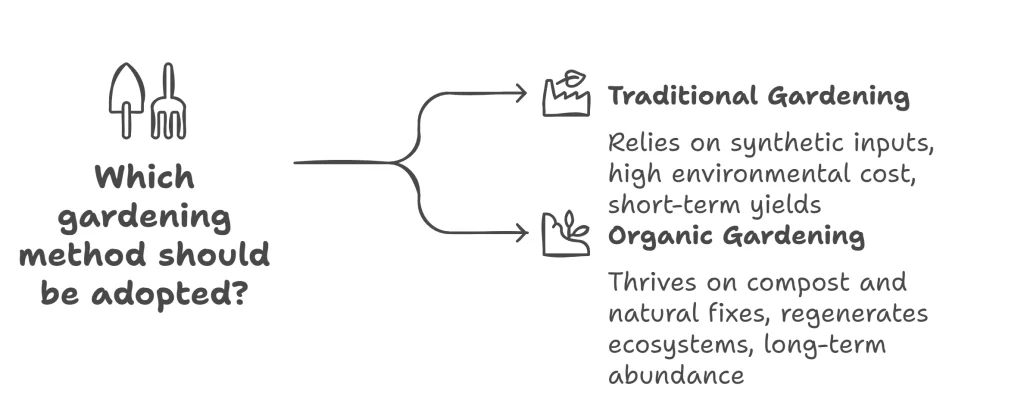
See? Organic isn’t harder—it’s smarter. Start small with foolproof crops like herbs or cherry tomatoes (my mint still thrives in a recycled yogurt tub!). Explore easy container gardening or dodge common blunders like planting incompatible pals for more inspiration.
Ready to dig in? Let’s grow your confidence—one seed at a time.
Understanding Your Garden’s Ecosystem: The Organic Garden Setup
Let’s get real: plants are like roommates. Some crave sunlight 24/7, others wilt under pressure (literally), and a few thrive in chaos. But here’s the first of my gardening tips for beginners: know your garden’s vibe before planting. Think of it as matchmaking—pairing plants with their ideal environment.
Step 1: Assess Sunlight & Soil
I learned the hard way that tossing shade-loving ferns into full sun is like forcing a vampire to the beach. Start by tracking sunlight in your space:
- Full sun: 6+ hours of direct light (tomatoes, peppers).
- Partial shade: 3-6 hours (lettuce, herbs).
- Full shade: Less than 3 hours (hostas, ferns).
Next, let’s talk dirt. Soil isn’t just “brown stuff”—it’s a living ecosystem. Grab a $10 pH test kit or try the DIY vinegar-baking soda hack to see if your soil is acidic (ideal for blueberries) or alkaline (perfect for asparagus).
Step 2: Know Your Climate
Here’s the kicker: even the healthiest plant will struggle if not suited to your region. This determines what you can grow year-round. For instance, our What to Plant in March guide lists cold-hardy stars like kale and peas if you’re in a frost-prone area.
Quick-Reference Table: Sunlight Needs for Beginner Plants
| Plant | Sunlight Needs | Soil Preference |
| Tomatoes | Full sun (6-8 hrs) | Slightly acidic (6.0-6.8) |
| Basil | Full sun | Well-drained, neutral pH |
| Lettuce | Partial shade | Rich, moist soil |
| Lavender | Full sun | Sandy, alkaline |
Pro Tip: Don’t skip frost dates! Planting too early can doom seedlings. Check your area’s last spring frost date (mine’s April 15) and mark it on your calendar. For a no-fuss plan, peek at our lazy gardener’s guide to sync with nature’s rhythm.
Ignoring your garden’s ecosystem is like baking a cake without preheating the oven. Sure, you might get something edible, but why risk it? By tailoring your organic garden setup to sunlight, soil, and climate, you’ll avoid 90% of beginner headaches.
Planning a Sustainable Garden Layout: Start Small, Grow Smart
Let’s face it: ambition is a beginner gardener’s worst enemy. I once turned my balcony into a jungle of seedlings—only to end up with 12 sad tomato plants and zero counter space. The golden rule? Start small. Trust me, a thriving 4×4 ft raised bed beats a half-dead acre any day.
Why Start Small? Containers & Raised Beds
Containers and raised beds are your best friends. They’re manageable, reduce weeds, and let you control soil quality—perfect for organic gardening newbies. Here’s why they rock:
- Containers: Grow herbs like basil or mint on windowsills. Pro tip: Use fabric pots for better airflow.
- Raised Beds: Elevate plants from poor soil and pests. Line the bottom with cardboard to smother weeds.
Miracle-Gro’s beginner guide suggests blending compost, peat moss, and vermiculite for foolproof soil mixes. Or, keep it lazy with our no-dig gardening method—just layer straw and compost!
Companion Planting: Nature’s Social Network
Plants have BFFs, too. Pairing the right crops boosts yields, deters pests, and saves space. For example:
- Tomatoes + Basil: Basil repels hornworms (and makes your salsa fresher).
- Carrots + Onions: Onions confuse carrot flies with their scent.
But avoid garden frenemies! Planting beans near onions stunts growth, as The Old Farmer’s Almanac warns.
Design Tips for Efficiency
- Vertical Gardening: Use trellises for cucumbers or beans.
- Pollinator Corners: Dedicate a sunny spot to bee-friendly blooms like lavender or sunflowers.
Pro Tip: Sketch your layout! Even a rough doodle helps visualize spacing. For inspiration, steal ideas from our vegetable garden planner.
A thoughtful layout saves time, water, and your sanity. By mixing sustainable garden design with nature’s teamwork, you’ll grow more with less effort—no PhD in botany required.
Building Healthy Soil Organically: Your Garden’s Secret Superpower
Let’s talk dirt—literally. I used to think the soil was just… dirt. But after my spinach plants staged a hunger strike, I learned the hard truth: organic soil preparation is the backbone of every thriving garden. Think of soil as a living buffet for plants. If you stock it right, your crops will feast for years!
Composting Basics: Turn Trash into Treasure
Composting is like a magic trick for gardeners. Banana peels, coffee grounds, and fallen leaves transform into nutrient-rich soil gold. Here’s how to start:
- Layer greens + browns: Mix nitrogen-rich “greens” (veggie scraps, grass clippings) with carbon-heavy “browns” (dry leaves, cardboard).
- Keep it aerated: Turn the pile weekly with a pitchfork (or let worms do the work!).
- Patience pays: You’ll have black gold in 3-6 months.
For lazy composters (no shame!), try trench composting: bury scraps directly in garden beds. The RHS soil guide swears by this method for busy gardeners.
Pro Tip: Add crushed eggshells for calcium or coffee grounds for acidity. My tomatoes thrive on this DIY mix!
Mulching: The Lazy Gardener’s Best Friend
Mulch isn’t just pretty—it’s a powerhouse. A 2-3 inch layer:
- Locks in moisture (bye-bye, daily watering!).
- Suppresses weeds (no more back-breaking weeding).
- Feeds soil as it breaks down.
Best Organic Mulches:
| Type | Benefits | Best For |
| Straw | Lightweight, retains moisture | Veggie beds |
| Grass Clippings | Quick to decompose, rich in nitrogen | Flower borders |
| Wood Chips | Long-lasting, improve structure | Pathways, and fruit trees |
Avoid dyed mulches—they’re sneaky with chemicals. For more hacks, our magic of mulching guide dives deep.
Organic Amendments: Beyond Compost
Sometimes, the soil needs a little extra love. Try these natural boosters:
- Worm castings: Packed with microbes (great for potted plants!).
- Fish emulsion: Stinky but stellar for leafy greens.
- Biochar: Improves water retention.
Warning: Skip synthetic fertilizers! They’re like junk food for plants—quick fix, long-term damage.
Healthy soil = happy plants. By focusing on organic soil preparation, you’re building a self-sustaining ecosystem. As the EPA notes, composting alone diverts 30% of household waste from landfills. Win-win!
Water-Wise Gardening: Save Every Drop (and Your Sanity)
Confession time: I once drowned my zucchini so badly that it floated away. But here’s the thing—water conservation gardening isn’t about rationing drops. It’s about working smarter so your plants sip sustainably while you kick back. Let’s dive into hacks that’ll keep your garden lush without draining your well (or wallet).
Drip Irrigation & Soaker Hoses: The Quiet Heroes
Ditch the sprinkler! Drip irrigation delivers water straight to roots, slashing waste by up to 60% compared to overhead watering. Soaker hoses (those porous tubes) are a lazy gardener’s dream for small beds. Just snake them through your veggies and let capillary action do the work.
Rainwater Harvesting: Nature’s Free Happy Hour
Why pay for water when the sky delivers? A simple rain barrel under your downspout can collect hundreds of gallons annually. I repurposed an old small barrel (drilled a spigot at the bottom) and now hydrated my blueberries guilt-free.
Bonus Hack: Live in an apartment? Use a collapsible rain barrel on a balcony.
| Method | Water Saved/Year | Best For |
| Rain Barrel | 1,300+ gallons | Small gardens, balconies |
| Drip Irrigation | 50% less waste | Veggie beds, fruit trees |
| Ollas (Clay Pots) | 70% efficiency | Drought-prone areas |
For arid climates, try ollas—unglazed clay pots buried in soil that slowly seep moisture.
Smart Watering Habits
- Water early: Morning watering reduces evaporation and fungal risks.
- Check soil first: Poke your finger 2 inches deep. If it’s dry, water; if not, walk away (tough love works!).
- Mulch, mulch, mulch: A 3-inch layer cuts watering needs by 30%. Our magic of mulching guide spills all the dirt.
Avoid These Blunders:
- Overhead watering at night (hello, mildew!).
- Spraying leaves instead of roots (plants drink from their feet!).
Natural Pest & Disease Management: Outsmart Bugs the Organic Way
Let’s be honest: nothing tests a gardener’s zen-like watching aphids throw a rave on your kale. But before you rage-spray chemicals, remember—organic pest control is about strategy, not warfare. Think of it as hosting a beneficial bug block party instead of napalming your garden. Here’s how to keep pests in check, naturally.
Attract Beneficial Insects: Hire Nature’s Hitmen
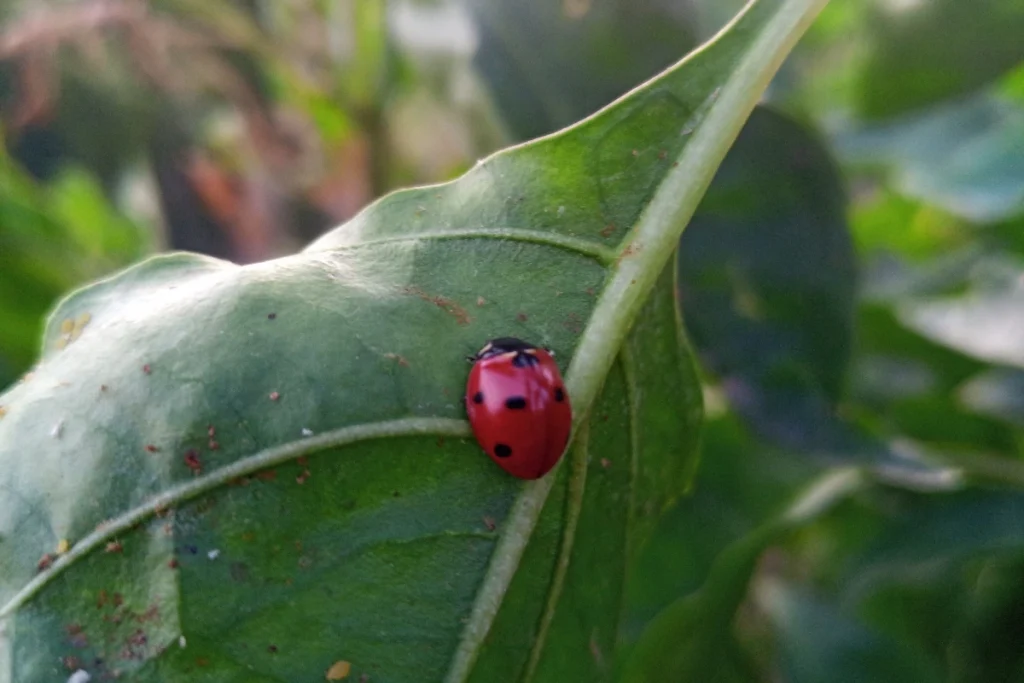
Ladybugs, lacewings, and parasitic wasps are the unpaid interns of your garden. They munch pests like aphids and caterpillars for free. To lure them:
- Plant a pollinator buffet: Sunflowers, dill, and yarrow are like neon signs for good bugs.
- Build insect hotels: Stack bamboo stalks or drilled logs for solitary bees and beetles.
Top Bug Allies & Their Prey:
| Beneficial Insect | Pests They Target | Plants to Attract Them |
| Ladybugs | Aphids, mites | Dill, calendula |
| Praying Mantis | Caterpillars, beetles | Tall grasses, cosmos |
| Hoverflies | Thrips, mealybugs | Alyssum, parsley |
DIY Organic Sprays: Kitchen Staples to the Rescue
When pests overstep, hit them with pantry power:
- Neem Oil Spray: Mix 2 tsp neem oil + 1 tsp Castile soap in a quart of water. Shake and spray at dusk.
- Garlic-Chili Blast: Blend 2 garlic bulbs + 3 chili peppers in water. Strain, add soap, and spritz.
The Old Farmer’s Almanac confirms these work for mild infestations. But avoid spraying during peak sun—you’ll crisp your plants!
Pro Tip: For slugs, set beer traps (they’re lushes) or sprinkle crushed eggshells.
Preventative Measures: Stop Pests Before They Start
- Crop rotation: Break pest life cycles by moving plant families yearly.
- Healthy soil: Strong plants resist bugs better. Revisit our soil health tips.
- Row covers: Shield seedlings with lightweight fabric (cheap insurance!).
Avoid This Mistake: Overuse any spray, even organic ones. Balance is key—let predators do their job!
A study by RHS found that diverse gardens with native plants reduce pest issues by 60%. By embracing eco-friendly gardening tips, you’re creating a self-regulating ecosystem—no toxins needed.
Seasonal Maintenance for Long-Term Success: Work Smarter, Not Harder
I’ll admit it: my first fall garden looked like a plant graveyard because I ignored seasonal care. But here’s the secret—organic garden care isn’t a summer fling. It’s a year-round relationship. With a few smart moves each season, you’ll keep your soil thriving and pests guessing.
Crop Rotation & Cover Crops: Nature’s Reset Button
Imagine eating the same meal daily—you’d get sick. Plants feel the same. Crop rotation prevents soil fatigue and pest buildups by shifting plant families yearly. For example:
- Year 1: Tomatoes (nightshades) in Bed A.
- Year 2: Beans (legumes) in Bed A to fix nitrogen.
- Year 3: Leafy greens (brassicas) to soak up nutrients.
Pair this with cover crops like clover or winter rye. They’re like cozy blankets for soil, preventing erosion and adding organic matter. The USDA’s cover crop guide calls them “green manure” for good reason!
Best Cover Crops by Season:
| Season | Crop | Benefits |
| Spring | Buckwheat | Suppresses weeds, attracts bees |
| Fall | Winter Rye | Prevents erosion, adds biomass |
| Winter | Crimson Clover | Fixes nitrogen, improves soil structure |
For lazy gardeners (raises hand), our no-dig method guide pairs perfectly with this strategy.
Winterizing Your Garden: Tuck Plants In
Winter doesn’t mean ignoring your garden. A little prep ensures spring isn’t a zombie apocalypse:
- Mulch heavily: Pile leaves or straw around perennials. My garlic beds thrive under 6 inches of mulch!
- Protect tender plants: Wrap figs or rosemary in burlap or move pots indoors.
- Cold frames: Extend the season with DIY setups (old windows + straw bales = instant greenhouse).
Pro Tip: Leave some seed heads and stems standing—they’re winter hotels for ladybugs and bees!
Spring & Summer Tune-Ups
- Prune strategically: Trim dead wood in spring before buds break.
- Refresh compost: Top-dress beds with 1-2 inches of compost in early spring.
- Stay ahead of weeds: Hoe lightly weekly—it’s easier than battling a jungle later.
Seasonal gardening tips prevent burnout and keep your garden resilient. According to RHS research, rotating crops alone can boost yields by 20% annually. By syncing with nature’s rhythm, you’ll spend less time fixing problems and more time harvesting.
Common Organic Gardening Mistakes to Avoid: Lessons from My Failures
Let’s get honest: I’ve killed more plants than I’d like to admit. But hey, mistakes are just tuition for gardening tips for beginners. Here’s how to dodge the top blunders that trip up newbies (and how to fix them!).
Mistake 1: Overwatering with Love
My first zucchini drowned in a well-meaning flood. It turns out plants hate soggy feet! Overwatering suffocates roots and invites mold while underwatering stresses plants into survival mode.
Fix It:
- Use the finger test: Poke soil 2 inches deep. If dry, water; if damp, wait.
- Try self-watering pots or ollas for lazy precision.
Mistake 2: Crowding Plants Like a Subway Rush Hour
I once crammed 10 tomato seedlings into a 4×4 bed. Spoiler: they rioted. Poor spacing stunts growth and breeds disease.
Fix It:
- Follow seed packet spacing (no eyeballing!).
- Use vertical trellises for cucumbers/beans.
Mistake 3: Ignoring Pollinators
No bees = no beans. I learned this after my squash flowers withered unpollinated.
Fix It:
- Plant native blooms like coneflowers or bee balm.
- Avoid pesticides—even organic ones—during peak bloom.
Mistake 4: Overdoing Organic Sprays
Yes, neem oil is natural, but dousing plants daily is not cute. Overuse harms beneficial bugs, too.
Fix It:
- Spot-treat pests; don’t blanket spray.
- Release ladybugs for aphid patrol.
Mistake 5: Skipping Soil Tests
Guessing your soil pH is like baking blindfolded. My blueberries sulked until I fixed the acidic soil.
Fix It:
- Grab a $15 test kit or send samples to your local extension office.
- Amend based on results (lime for acidic, sulfur for alkaline).
Why This Matters
90% of beginner errors are preventable. By sidestepping these pitfalls, you’ll save time, money, and heartache—and enjoy your garden!
9. Conclusion: Grow Your Confidence (and Your Garden!) One Seed at a Time
Let’s wrap this up with a truth bomb: organic gardening isn’t about perfection. It’s about progress. My first harvest was a single, wonky carrot—but I framed it like a trophy. Why? Because every tiny win teaches you something.
Now that you’re armed with gardening tips for beginners remember:
- Start small: A pot of herbs or a 4×4 bed is all you need to begin.
- Feed your soil: Healthy soil = happy plants. Compost is your BFF.
- Work with nature: Let pollinators, rain barrels, and companion plants do the heavy lifting.
Your Next Steps
- Pick one project: Try composting, plant a pollinator corner, or set up a rain barrel.
- Join a community: Swap seeds with neighbors or lurk in r/gardening for inspiration.
- Celebrate failures: That basil you overwatered? It’s a lesson, not a loss.
Why Keep Going?
Gardening isn’t just about food or flowers—it’s about connection. You’re building a mini ecosystem, reducing waste, and soaking up vitamin D. Plus, studies like this one from the NIH show gardening slashes stress and boosts mental health. Win-win-win.
So grab those gloves, forgive your past plant casualties, and remember: every pro gardener was once a newbie killing mint in a coffee can. You’ve got this.
P.S. Share your first garden win (or fail!) with us on social—we’ve all been there. Happy growing!