
Companion planting is like the gardening version of a friendship bracelet. When it works, your veggies thrive together, repel pests, and boost yields. But when it goes sideways? You’re left with stunted plants, pest parties, and much frustration. If you’ve ever wondered, “Why is my companion planting not working?” you’re not alone. Let’s dig into the messy truth about bad plant pairings, how to spot them, and—most importantly—how to fix them.
What is Companion Planting?
Companion planting is basically plant matchmaking. It’s about pairing veggies, herbs, or flowers that help each other grow, repel pests, or boost flavor. For example, marigolds act as bodyguards for tomatoes, deterring nasty nematodes, while basil is like a personal chef for tomatoes, enhancing their taste. But just like that one friend who always brings drama, some plants are not meant to hang out.
The trick? Knowing which veggies are frenemies and why. Let’s dig into the dirt on the worst garden roommates.
Common Companion Planting Mistakes You’re Probably Making
Overcrowding and Nutrient Competition
Imagine two toddlers fighting over the same toy. That’s your garden when you cram plants too close. For example, pole beans and beets are hungry crops competing for nutrients and space, leading to underwhelming harvests. Similarly, planting tomatoes and corn together? Bad idea. Both heavy feeders drain your soil faster than a kid gulping a juice box.
Fix tip: Give plants breathing room! Check spacing guidelines (like Epic Gardening’s companion planting mistakes guide) and use vertical trellises for climbers like cucumbers.
Poor Pollination Due to Bad Pairings
Some plants are like that friend who kills the vibe at parties. Strong-scented herbs like rosemary or sage near cucumbers? They can deter pollinators like bees, leading to sad, unpollinated flowers. Translation: fewer cucumbers for your salads.
Fix tip: Keep aromatic herbs in their corner, and pair cucumbers with pollinator-friendly flowers like nasturtiums.
5 Common Companion Planting Blunders (and Quick Fixes)
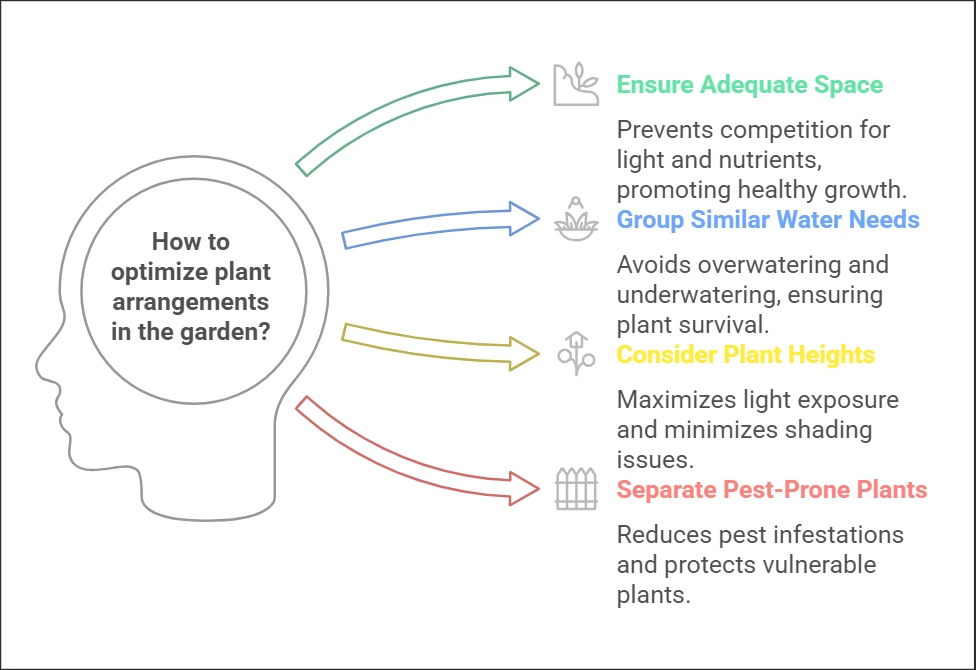
- The Overcrowding Catastrophe
Squeezing plants like sardines? They’ll battle for light and food. Fix: Give ’em space! Tomatoes need 24-36 inches—think VIP lounge, not economy class.
- The Mismatched Water Duo
Pairing thirsty lettuce with drought-loving rosemary? One drowns; the other withers. Fix: Group plants with similar hydration needs—like a cactus and a fern on separate playdates.
- The Tall vs. Short Tiff
Tall corn shading tiny radishes? Fix: Plant shade-tolerant greens (like spinach) under taller crops.
- The Pest Party Plot
Growing aphid-magnet cauliflower near kale? You’re hosting a bug rave. Fix: Separate plants with the same pest problems.
- The Aggressive Takeover
Mint’s a garden thug. Plant it in pots, not beds—unless you want a mint jungle.
Bad Companion Planting Combinations to Avoid
Let’s get specific. Here’s a table breaking down what vegetables should never be planted together and why:
Bad Neighbors Cheat Sheet
| Plant | Avoid Planting With | Why It’s a Disaster |
| Tomatoes | Potatoes, Corn, and Cabbage | Shared diseases; nutrient battles |
| Beans | Onions, Garlic | Allicin kills bean’s nitrogen buddies |
| Zucchini | Pumpkins, Fennel | Pest pals, chemical warfare |
| Lettuce | Sunflowers, Cabbage | Shade-outs, water theft |
| Potatoes | Tomatoes, Sunflowers | Blight risk; root chemical fights |
| Basil | Rue, Sage | Growth sabotage; water wars |
Toxic Herb and Vegetable Pairings
Herbs aren’t always the good guys. Dill, for instance, can cross-pollinate with carrots, leading to weird-tasting roots. And while basil is a tomato’s BFF, it’s a total frenemy to cucumbers.
Signs of Bad Companion Planting (And How to Spot Them Early)
If your garden looks more like The Last of Us than The Secret Garden, here’s what to watch for:
- Yellowing leaves or stunted growth could be nutrient competition or allelopathy (plant chemistry warfare).
- Pest infestations: Tomatoes + corn = a buffet for corn earworms.
- Diseases spreading: Blight loves hopping between tomatoes and potatoes.
How to Fix Companion Planting Mistakes
Adjusting Plant Spacing and Layout
If your garden is overcrowded, thin plants ruthlessly. For example, separate tomatoes and potatoes by at least 10 feet to avoid disease spread.
Swap Out Problematic Plants
Replace invasive mint (which bullies other plants) with marigolds—they’re pest-repelling superstars.
Use “Trap Crops” to Distract Pests
Nasturtiums are the ultimate sacrificial plants. They’ll lure aphids away from your prized veggies.
Preventing Future Companion Planting Disasters
- Test pairings in small batches before committing your entire garden.
- Rotate crops yearly to prevent soil depletion and disease buildup.
- Stick to science-backed charts, like Gardening Know How’s companion planting guide.
Final Thoughts: Grow Smarter, Not Harder
Companion planting isn’t about rigid rules—it’s about playing plant therapist. Listen to your garden’s needs. Some plants are social butterflies (look at you, zucchini); others are lone wolves (ahem, fennel).
When in doubt, lean on trusted guides like The Old Farmer’s Almanac or The Spruce. Look, even the pros mess up companion planting sometimes. The key is to learn from your garden’s “uh-oh” moments.
Your Turn!
Do you have a companion planting horror story? Spill the dirt below—let’s turn those garden fails into wins!