Here’s a fun fact: One out of every three bites of food on your plate exists, thanks to pollinators! But bees, butterflies, and other tiny garden superheroes are in trouble—and that’s where your pollinator-friendly garden comes in. No fancy degree or sprawling yard is required! Whether you’re a balcony gardener, a backyard newbie, or someone who loves flowers, you can create a vibrant, eco-friendly paradise that saves pollinators and makes your space buzz with life.
Consider this your cheat sheet for growing a sustainable, Instagram-worthy, and planet-friendly garden. We’ll ditch the jargon (goodbye, “xeriscaping”!) and focus on simple swaps, colorful blooms, and sneaky tricks to attract butterflies, bees, and hummingbirds. (Spoiler: It’s way easier than keeping houseplants alive.)
Ready to roll up your sleeves? Let’s turn your patch of green into a pollinator party zone—no chemicals, no stress, just dirt, sunshine, and a lot of good karma.
1. Understand the Basics of Pollinators
Meet the “Pollinator Squad” (No Capes Required!)
Pollinators aren’t just bees and butterflies—they’re a quirky team of garden VIPs! Meet the crew:
- Bees: The fuzzy workaholics (honeybees, bumblebees, and 4,000+ native bee species!).
- Butterflies: The sunbathing sippers (monarchs, swallowtails, and more).
- Hummingbirds: The speedy jewel-toned acrobats.
- Beetles: The OG pollinators (they’ve been at it since dinosaur times!).
- Bats: Nightshift heroes in tropical regions (yes, really!).
What’s on Their Wishlist?
Every pollinator-friendly garden needs four things:
- Food: Nectar = energy drinks, pollen = protein bars. Pro tip: Plant clusters of the same flower—like fast-food drive-thrus for busy bees!
- Water: Shallow puddles or dishes with pebbles (no drowning hazards, please!).
- Shelter: Leaves, stems, or even a “messy corner” for hiding from predators and weather.
- Nesting Sites: 70% of native bees nest in the ground! Bare soil patches = 5-star bee hotels.
Why Native Plants Are Their BFFs
Imagine craving your grandma’s apple pie but only finding a foreign chain restaurant. That’s how pollinators feel about non-native plants! Native plants evolved with local pollinators, offering the perfect nectar shape, bloom time, and nutrients. Examples:
- Milkweed: Monarch butterflies only lay eggs here.
- Coneflowers: Bee magnets with built-in landing pads.
- Goldenrod: Fall superhero feeding migrating pollinators.
Fun Fact to Blow Your Mind
A single mason bee can pollinate as much as 100 honeybees! But… over 40% of pollinator species are at risk of extinction. Your garden? It’s a superhero HQ in the making.
2. Plan Your Pollinator-Friendly Garden Layout
Your Pollinator Garden Blueprint (No Architect Needed!)
Think of your garden as a pollinator’s all-you-can-eat buffet, spa, and Airbnb. The key? Design with purpose—not perfection. Here’s how to map out a pollinator paradise, whether working with a balcony, a backyard, or a barren patch of dirt.
Step 1: Sun, Soil, and Space Audit
Ask Your Garden:
- Sunlight: Does your space get full sun (6+ hours), part shade, or full shade? (Pro tip: Use a free app like “Sun Seeker” to track light patterns!)
- Soil Type: Is it sandy, clay-heavy, or loamy? Pollinators don’t care, but your plants do!
- Size: No space is too small! Even a 3’x3′ plot or a window box can host pollinator superstars.
Fun Hack: Lay a hose or string on the ground to outline your garden shape. Curved edges = more “wild” vibes!
Step 2: Mix Plant “Layers” Like a Pro
Pollinator Buffet Rules:
- Tall Trees & Shrubs (e.g., redbud, elderberry): Provide shelter and early spring blooms.
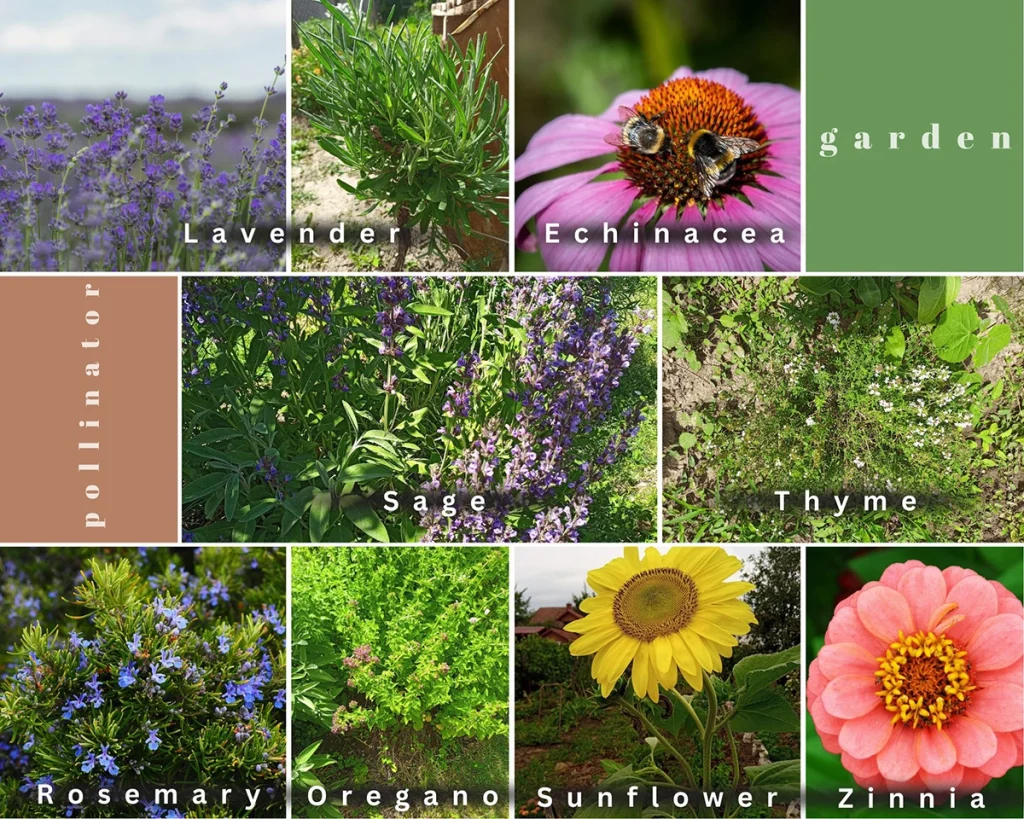
- Mid-Sized Perennials (e.g., bee balm, lavender): The main course for bees and butterflies.
- Ground Covers (e.g., clover, creeping thyme): Perfect for beetles and ground-nesting bees.
Why Layers Matter: Different pollinators feed at different heights! Hummingbirds love tall flowers, while beetles stick to low blooms.
Step 3: Bloom Time = All the Time
Avoid the “Buffet Closed” Sign:
- Spring: Crocus, lupine, wild columbine.
- Summer: Sunflowers, coneflowers, milkweed.
- Fall: Asters, goldenrod, sedum.
- Bonus: Add winter-blooming plants like witch hazel if your climate allows!
Step 4: Cluster Plants for Maximum Buzz
Pollinators Hate Scavenger Hunts:
Group 3-5 of the same plant together so pollinators can spot them easily. Think of it as a “flower food truck” instead of a single snack!
Example: A cluster of purple coneflowers = a bee’s happy hour hotspot.
Step 5: Add “Companion Plants”
Plant BFFs That Help Each Other:
- Marigolds + Tomatoes: Marigolds repel pests, and tomatoes feed bees.
- Milkweed + Yarrow: Milkweed feeds monarchs, and yarrow attracts beneficial insects.
Truth: They can be as tidy or wild as you like! To keep them polished, use edging, mulch paths, or decorative stones.
3. Choose Pollinator-Friendly Plants
The Ultimate Pollinator Plant Party (No Wallflowers Allowed!)
Picking plants for your pollinator-friendly garden is like curating a VIP guest list—invite the right blooms, and bees, butterflies, and hummingbirds will RSVP “YES!” Here’s how to choose plants that make pollinators swoon, bloom, and boost your garden’s SEO game.
Step 1: Go Native or Go Home
Why Natives Rule:
- Local pollinators evolved with native plants—they’re like their favorite childhood snacks.
Top Native Superstars:
- Milkweed: Monarch butterflies’ only nursery and diner.
- Purple Coneflower: A bee magnet with built-in landing pads.
- Goldenrod: Fall’s fast-food drive-thru for migrating pollinators.
Fun Fact: Native plants need less water and zero chemicals—they’re basically the low-maintenance BFFs of gardening.
Step 2: Think Rainbow Buffet
Color Code Your Garden:
- Bees: Love blue, purple, and yellow (they see ultraviolet colors!).
- Butterflies: Go wild for red, orange, and pink.
- Hummingbirds: Can’t resist red tubular flowers (like a floral energy drink!).
Pro Tip: Plant flowers in clusters of the same color—pollinators spot them faster than a TikTok trend.
Step 3: Shape Matters
Flower Shapes = Pollinator Tools:
- Flat blooms (e.g., daisies): Perfect for butterflies to land and sip.
- Tubular blooms (e.g., penstemon): Hummingbird fuel stations.
- Small clustered flowers (e.g., yarrow): Bee happy hour hubs.
Avoid: Overly hybridized “double blooms”—they’re pretty but often lack pollen/nectar (like a gorgeous but empty snack wrapper).
Step 4: Plan for All Seasons
Bloom Calendar Cheat Sheet:
- Spring: Crocus, lupine, wild columbine (early bees need snacks!).
- Summer: Sunflowers, bee balm, lavender (peak pollinator party time).
- Fall: Asters, sedum, Joe-Pye weed (fuel for migration).
Step 5: Sneak in Host Plants
Butterfly Baby Nurseries:
- Milkweed: Host for monarch caterpillars.
- Parsley/Dill: Swallowtail caterpillars munch these!
- Pawpaw Trees: Zebra swallowtail caterpillars’ fave.
Fun Analogy: Host plants are like daycare centers—without them, butterflies can’t raise their young!
Quick Quiz!
❓ Which plant is toxic to pollinators?
A) Lavender
B) Rhododendron
C) Sunflower
(Answer below!)
Pollinator Garden Myth Buster
“A few non-native plants won’t hurt!”
Truth: Some non-natives (like butterfly bush) are junk food—they offer little nutrition and crowd out native species. Stick to 80% natives for a thriving garden!
Quiz Answer: B) Rhododendron—its nectar is toxic to bees!
Plants picked? Let’s talk dirt! Next up: sustainable gardening practices that keep your garden thriving and toxin-free.
4. Sustainable Gardening Practices
Keep It Green (Literally!): Eco-Hacks for a Thriving Garden
A pollinator-friendly garden isn’t just about pretty flowers—it’s about creating a healthy ecosystem safe for pollinators, soil, and YOU. Let’s ditch the chemicals, save water, and turn your garden into a sustainability superstar. (Spoiler: It’s easier than you think!)
Step 1: Ditch the Chemical Drama
Swap Toxic Products for Nature’s Solutions:
- Pesticides? Nope! Try:
- Neem oil: A natural pest repellent (but apply at night—bees aren’t night owls!).
- Ladybugs: Release these spotted heroes to devour aphids.
- Companion planting: Garlic repels aphids; marigolds deter nematodes.
- Herbicides? Swap for:
- Vinegar spray: Zaps weeds without harming the soil.
- Boiling water: For sidewalk cracks (and dramatic weed-killing steam!).
Fun Fact: Over 90% of a butterfly’s diet as a caterpillar is one specific plant. Chemicals = wiping out their only food source!
Step 2: Water Like a Pro
Smart H2O = Happy Pollinators:
- Rain barrels: Free water + reduces runoff (bonus: link to “rainwater harvesting for gardens” SEO!).
- Drip irrigation: Targets roots, not leaves (wet leaves = mold risk).
- Morning watering: Reduces evaporation and gives plants all day to dry.
Pro Tip: Add a shallow birdbath with stones so pollinators can sip safely. Bees get thirsty, too!
Step 3: Compost Like You Mean It
Turn Trash into Garden Gold:
- What to compost: Veggie scraps, coffee grounds, eggshells, dead leaves.
- What to avoid: Meat, dairy, oily foods (they attract pests).
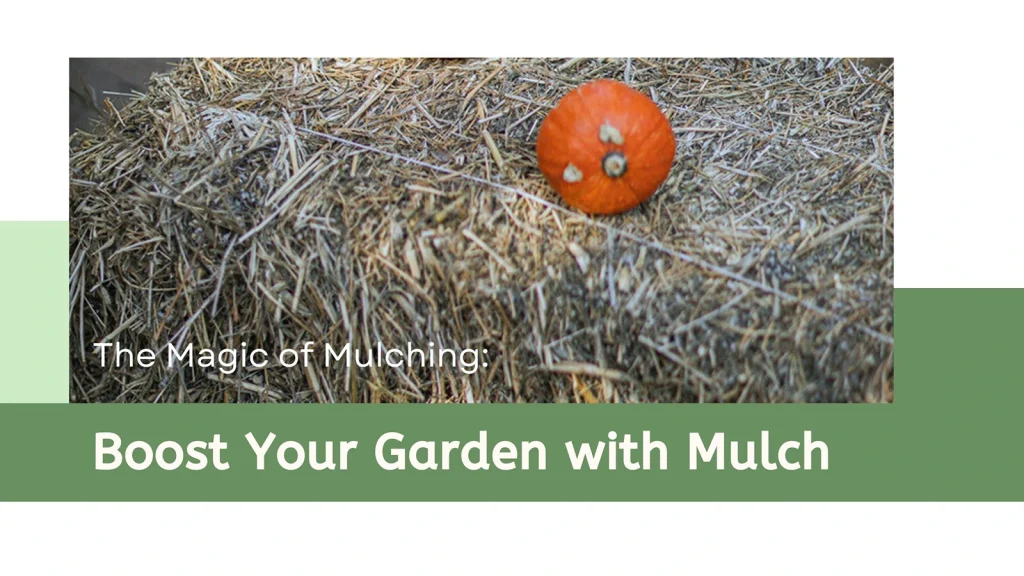
Step 4: Mulch Magic
Mulch = Pollinator Garden’s Bestie:
- Benefits: Retains moisture, suppresses weeds, and enriches soil.
- Best options: Straw, shredded leaves, or untreated wood chips.
Myth Buster: “Mulch kills plants!”
Truth: Keep it 2-3 inches thick and away from plant stems—easy peasy!
Step 5: Invite the “Cleanup Crew”
Healthy Soil = Healthy Pollinators:
- Earthworms: Aerate soil and poop out nutrient-rich castings (yes, worm poop is magic).
- Fungi & Bacteria: Break down organic matter into plant food.
Fun Hack: Bury banana peels near roses—they’ll thank you with blooms!
Quick Quiz!
❓ What’s the #1 rule for using neem oil?
A) Apply at noon for maximum effect
B) Use it only on windy days
C) Spray at dusk when pollinators aren’t active
(Answer below!)
Pollinator Garden Myth Buster
“Organic means no pests!”
Truth: Organic gardens still get pests—they balance them with predators like birds and ladybugs!
Quiz Answer: C) Spray at dusk when pollinators aren’t active!
5. Create Safe Habitats
Airbnb for Pollinators: Cozy Homes for Bees, Butterflies, and Friends

Your pollinator-friendly garden isn’t just a diner—it’s a full-service resort! Pollinators need places to sleep, nest, and hide from bad weather (and predators). With these easy, quirky hacks, let’s turn your garden into a five-star habitat.
Step 1: Embrace the “Messy Chic” Aesthetic
Leave the Leaf Litter (Yes, Really!):
- Butterfly pupae: Overwinter in fallen leaves.
- Ground-nesting bees: Need bare soil patches (no mulch or grass!).
- Deadwood: Beetles and solitary bees love rotting logs.
Pro Tip: Designate a “wild corner” where you don’t tidy up. Think of it as a pollinator sanctuary, not a mess!
Step 2: Build Bee Hotels
DIY Bug B&Bs (No Power Tools Required!):
- Materials: Bamboo stalks, drilled wood blocks, or hollow reeds.
- Size: Holes should be 2-10mm wide (different bees need different rooms!).
- Placement: Mount 3-5 feet high, facing southeast for the morning sun.
Fun Fact: Solitary bees (like mason bees) are non-aggressive and rarely sting—they’re the chill roommates of the bee world!
Step 3: Add Watering Holes
Spa Day for Pollinators:
- Bee bath: Fill a shallow dish with water and add pebbles or marbles (landing pads!).
- Butterfly puddling station: Mix sand, soil, and water in a dish—they sip minerals here!
- Avoid mosquitoes: Change water every 2-3 days.
Step 4: Plant for Shelter
Windbreaks & Hideouts:
- Shrubs & grasses: Create wind protection (try switchgrass or dogwood).
- Evergreens: Offer winter shelter for birds and overwintering insects.
- Tall flowers: Sunflowers or hollyhocks double as butterfly umbrellas!
Myth Buster: “Tidiness equals a healthy garden!”
Truth: A little clutter = life-saving habitat. Prioritize function over fussiness!
Step 5: Say No to Insecticides (Even Organic Ones!)
Chemicals Crash the Party:
- Neonicotinoids: Lingers in pollen and nectar—deadly for bees.
- Even “natural” sprays Can harm beneficial insects if overused.
Fix It:
- Handpick pests: Channel your inner zen and pluck aphids off plants.
- Attract predators: Plant dill or fennel to invite ladybugs and lacewings.
Quick Quiz!
❓ Where do 70% of native bees live?
A) In hives
B) In the ground
C) In your shed
(Answer below!)
Fun Hack: “Caterpillar Cafés”
Host Plants = Baby Butterfly Buffets:
- Milkweed for monarchs
- Parsley for swallowtails
- Violets for fritillaries
Pro Tip: Plant extras—caterpillars are hungry!
Quiz Answer: B) In the ground! Most native bees are solitary and nest in bare soil.
6. Avoid Common Pitfalls
Even the most well-meaning gardeners can accidentally sabotage their pollinator-friendly garden with sneaky missteps. Let’s dodge the drama and keep your garden buzzing with these “what not to do” tips (and fixes!).
Pitfall 1: “I’ll Just Plant One of Everything!”
The Problem: Scattering single plants like confetti forces pollinators to work harder for less food.
The Fix: Clusters 3-5 of the same plant together—they’re like neon signs saying, “EAT HERE!”
Pitfall 2: Inviting Invasive Party Crashers
The Problem: Plants like English ivy or butterfly bush (Buddleia) spread aggressively, choking out natives.
The Fix: Stick to regional native plants. Check your state’s invasive species list (link to USDA database).
Fun Fact: Butterfly bush is called “butterfly junk food”—it lures butterflies but doesn’t support their caterpillars!
Pitfall 3: Over-Tidying Your Garden
The Problem: Raking every leaf and cutting every dead stem destroys overwintering habitats.
The Fix: Leave seed heads, stems, and leaf litter until spring. Embrace “lazy gardening” for the win!
Myth Buster: “Dead plants look ugly!”
Truth: Frost-covered seed heads and dried grasses add winter texture (and Instagram appeal!).
Pitfall 4: Assuming All Pesticides Are Safe
The Problem: Even organic sprays like neem oil can harm pollinators if misused.
The Fix: Apply pesticides at dusk, avoid spraying blooms, and prioritize pest predators (ladybugs FTW!).
Pitfall 5: Forgetting the Water Bar
The Problem: Pollinators need hydration, but deep birdbaths = drowning risks.
The Fix: Add shallow dishes with pebbles, marbles, or wet sand for safe sipping.
Fun Hack: Add a pinch of sea salt to water for butterfly “mineral cocktails” (they’ll flock to it!).
Pollinator Garden Myth Buster
“A little pesticide won’t hurt!”
Truth: Even small doses can disrupt pollinators’ navigation and reproduction. Yikes!
Conclusion: Cultivate Change, One Bloom at a Time
Congratulations! You’ve just unlocked the secrets to transforming any space—a sprawling yard or a sunny windowsill—into a thriving pollinator-friendly sanctuary. From understanding the quirky needs of bees, butterflies, and hummingbirds to designing a layered garden bursting with native blooms, you’re now equipped to create a haven that nourishes pollinators and the planet.
By embracing sustainable practices like ditching chemicals, conserving water, and leaving a little “messy magic” for habitats, your garden becomes more than a beautiful space—it’s a lifeline for struggling species and a ripple of hope for ecosystem health. Remember, every cluster of milkweed, bee hotel, and shallow water dish adds to your community’s resilience network.
Start small, but start now. Plant a single native flower, share extra seeds with a neighbor, or post your progress. When we unite our efforts, backyards become corridors, balconies become pit stops, and gardens grow into legacies.
As the saying goes, “To plant a garden is to believe in tomorrow.” So, let’s get growing—for the pollinators, for the planet, and for the future we’re sowing together.
FAQ
1. Can I create a pollinator-friendly garden in an apartment or small space?
A: Absolutely! Container gardens, window boxes, and even hanging baskets with native flowers like lavender, salvia, or dwarf sunflowers work wonders. Add a shallow dish of water with pebbles, and you’ve got a mini oasis!
2. How do I deal with pests without harming pollinators?
A: Skip synthetic chemicals! Try hand-picking pests, introducing ladybugs, or spraying diluted neem oil at dusk when pollinators aren’t active. Companion planting (e.g., marigolds with veggies) also deters pests naturally.
3. Are pollinator gardens safe for pets and kids?
A: Yes—if you avoid toxic plants. Stick to pet-safe natives like sunflowers, snapdragons, and rosemary. Always cross-check plants with the ASPCA’s toxic plant list before planting.
4. How long until I see pollinators in my garden?
A: It depends! Native bees and butterflies may arrive within weeks if you’ve planted their favorites. For rare species (like monarchs), it could take a season as they discover your habitat. Patience pays off!