Consider a garden where plants grow, the soil remains moist, and weeds retreat in defeat. The sun kisses the leaves, and the earth vibrates with life. But how can we establish this Eden? How do we encourage our little green darlings to thrive in the face of hot summers and cold winters? The solution is mulching.
Mulching is the hero of sustainable gardening. He is a soothing shield for your soil, guarding it against extreme temperatures. However, it rarely gets the recognition it deserves. Let us learn how mulching affects soil, layer by layer. The magic is real and starts with a humble layer of mulch.
What Is Mulch?
We are going on an exciting journey into the world of mulching, a true hero of sustainable gardening. In this journey, we are going to uncover hidden secrets of mulching.
Mulch is not merely a random pile of dead leaves or a stack of straw. Oh no, it is much more than that! Let us dive deeper, shall we?
Defining the Magic
Think of mulch as a comfy throw, embracing the soil with warmth and wetness, all while driving away pesky invaders like weeds and pests. It is like having a protective covering for your garden, ensuring a good environment where your plants can thrive. He whispers to your soil, cradles your roots, and keeps the garden gossip alive. That is the magic of mulch in action.
But what exactly is mulch? Let me explain: Mulch is like a guardian angel for the garden; it creates a protective cover on the soil. It is a true jack-of-all-trades, playing therapist to the soil, tackling weeds like a seasoned wrestler, and juggling multiple tasks with finesse. Trust me, you will wonder how you ever managed without it!
The Organic Brigade
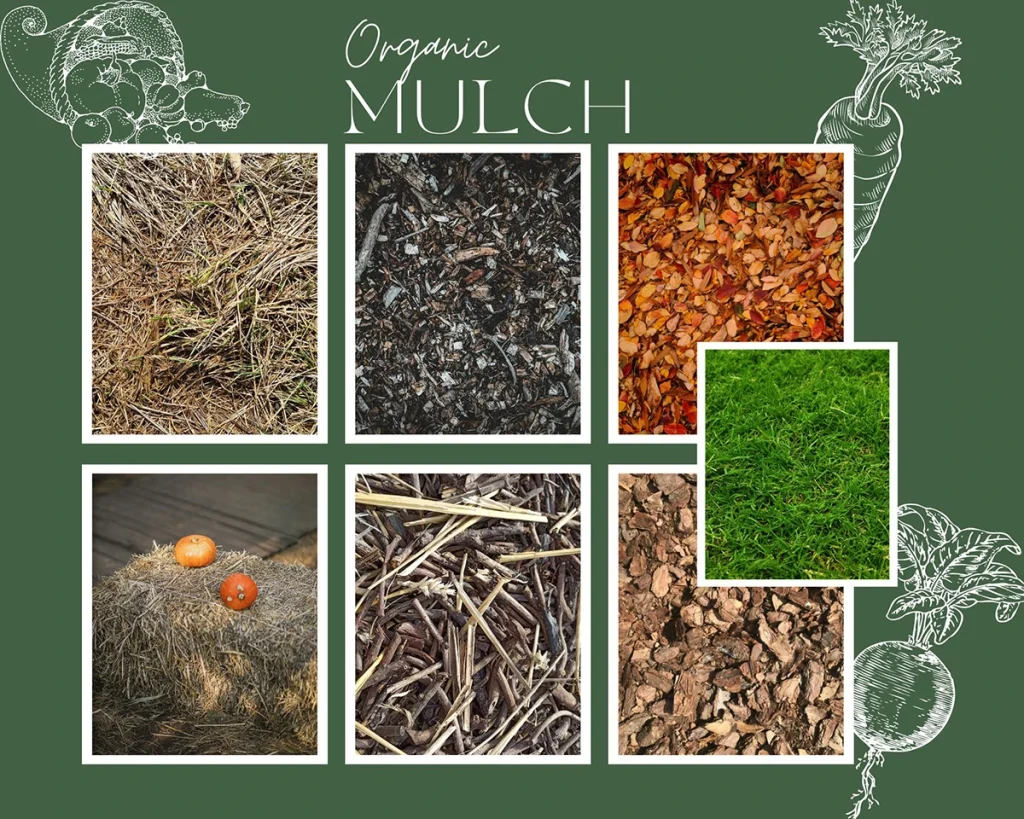
There are different types of mulch. Organic mulch counts straw, wood chips, and grass clippings. These materials assist in moisture retention and temperature moderation. All of these are necessary for a healthy garden.
- Straw: Picture golden strands of straw scattered around your plants. It is like a cozy nest for your soil. Straw mulch keeps moisture in, weeds out, and adds a rustic charm to your garden.
- Wood Chips: These are like the cool kids of mulch. They break down slowly, feeding your soil with nutrients as they go. Plus, they are excellent at suppressing those pesky weeds.
- Grass Clippings: Ah, the smell of freshly mowed grass! Collect those clippings and sprinkle them around your plants. Grass mulch is like a spa day for your soil. It decomposes, releases nitrogen, and keeps the soil moisturized. Your veggies will thank you with juicy, grateful smiles. Ensure to use grass clippings around plants when the sun is not too hot to prevent damage.
The Inorganic Mysterious Stranger
Let us nod politely at the inorganic mulch (stones, rubber, and such). But honestly, they are like that mysterious stranger at a garden party—interesting, but not quite our cup of compost tea. So, let us focus on the organic magic, shall we?
Remember, mulch is not just about aesthetics. It is about nurturing your green haven.
Beneath the Mulch: Soil Secrets Unveiled
We are exploring the magical world beneath mulch, where tiny microbes host epic parties. And guess what? Mulching is the VIP ticket to this subterranean soirée.
Soil Health: The Mulching Makeover
Let us start by talking about soil health. Beneath that protective layer, mulch is working hard to improve the foundation of your garden: the soil itself.
Mulching is essential for soil health. It strengthens the soil structure, enhances aeration, and preserves moisture. So, tending to the soil is the first step in ensuring thriving plants. Mulch helps with that. Let us break it down:
- Structure: Mulching fluffs the soil, giving it a cozy texture. It is like a memory foam mattress for your roots. No more compacted, grumpy soil—it is all about those airy vibes. Your plants can stretch their toes and do a little happy dance.
- Aeration: Think of mulch as a soil yoga instructor. It encourages deep breaths. When rain or irrigation water trickles down, mulch lets it flow freely, preventing soil suffocation.
- Water Retention: Mulching is the ultimate hydration station. It cradles moisture like a caring parent holding a sippy cup. During scorching summers, it shields the soil from evaporation.
Microbial Party: Tiny Dancers Unleashed
Beneath the layer of mulch lies a bustling ecosystem. Bacteria, fungi, and other microorganisms collaborate to break down organic matter and enrich the soil with nutrients.
- Bacteria tirelessly break down organic material, transforming it into nutrient-rich food.
- Fungi form partnerships with plant roots, engaging in nutrient exchanges like secret handshakes.
- Earthworms diligently aerate the soil and leave behind nutrient-rich compost.
When you generously apply mulch to your soil, you are not just tending to your plants. You are nurturing an entire ecosystem.
Weed Wars: Mulching vs. Unwanted Guests
Let us talk about a battle that rages silently in our green havens—the epic Weed Wars. Picture it: your garden, a serene battlefield where dandelions and crabgrass plot their invasion. But we have a secret weapon—the mighty mulch!
- Mulching Suppresses Weeds: Add a thick layer of mulch to create a barrier that weeds cannot invade. They peek above the soil, see the mulch fortress, and retreat in defeat.
- Less Weeding: Close your eyes and envision it: a weed-free afternoon. No more bending, tugging, and cursing at stubborn invaders. Instead, you are sipping chamomile tea, watching ladybugs perform ballet on your roses. Pure bliss.
Next time you go to control weeds in your garden, be sure to prepare mulch. It is like having a loyal companion by your side, keeping unwanted guests away and allowing you to enjoy your garden to the fullest.
Mulching Magic Unleashed
Now, let us get practical. How do we deploy our mulch troops?
- Layer It On: Spread that mulch. Aim for a 2-3 inch layer. Not too thin (weeds laugh) or thick (roots grumble).
- Mind the Base: Clear the area first. No weeds allowed! Lay down cardboard or newspaper to smother any stragglers. Then, mulch away. Your soil high-fives you.
- Choose Wisely: Straw, wood chips, and grass clippings are your allies. Organic, sustainable, and ready to wage war. Avoid rubber mulch; it is like inviting the enemy to a picnic.
- Annual Ritual: Every year, grab your mulch wand. Fresh mulch covers the soil. It is a makeover, a rejuvenation. You can add grass clippings after each mowing.
In my garden, I am a no-dig enthusiast. Weeds? Well, they are like the quirky neighbors who drop by unannounced. Sometimes, I let them stay as a ground cover. But when they start pushing my veggies, it is time for removal.
Now, trees adore mulching. But here is the catch: even trees need fresh air. So, when I tuck mulch around their trunks, I leave a gap, a little breathing room. Roots stretch out, basking in sunlight, while excess moisture tiptoes away.

Moisture Magic: Mulching as a Water Wizard
Mulch is both a water wizard and an earth superhero. Even during the driest times, mulching can help keep your plants happy and hydrated.
Evaporation Prevention
Your garden will be bathed in the golden glow of the sun. But beneath that radiant surface lies a battle. The soil, like a thirsty traveler, yearns for moisture. And here comes our hero—mulch!
Mulching protects the soil from direct sunshine and prevents moisture from leaking into the atmosphere. It’s like giving your garden bed a comfortable blanket to snuggle up under, keeping it cool and wet even on the hottest days. With mulch on our side, evaporation does not stand a chance!
Drought-Proofing: Sip Slow, Thrive Long
Now, let us dive deeper. Imagine your plants as ancient sages, sitting cross-legged, contemplating life. They do not gulp water; they sip it slowly and deliberately. That is where mulch steps in. Mulch ensures that thirsty plants can drink up without fear of drying out. Mulch’s ability to retain moisture transforms our gardens into hydrated sanctuaries.
It is similar to having an automated watering system for your garden beds, ensuring your plants remain content and flourishing even in tough conditions.
The Circle of Life: Mulch Decomposition
We explore the life cycle through the mulch’s eyes, discovering how it can feed soil and support a healthy garden.
Slow Dance: Mulching and Soil Tango
First, let us talk about the slow dance of mulch decomposition.
Mulch establishes a lasting connection with the soil, steadily decomposing to release nutrients and organic material, forming a vital nutrient exchange loop crucial for plant growth.
As it breaks down, it spills secrets—nitrogen, phosphorus, potassium—all the good stuff. Your plants sip from this mulchy treasure chest.
Conclusion: Mulch, the Unsung Hero
Mulch helps our garden in many ways. It makes the soil better and helps plants grow. It also stops weeds from growing and saves water.
Let us spread mulch across the garden to boost its health and beauty. Mulching is a simple yet powerful technique that can help a garden thrive. So, let us dive in and watch our gardens flourish with the aid of mulch. By spreading mulch and caring for the soil, we can expect to see our gardens bloom and thrive like never before.
Happy gardening!
FaQs
Aim for a 2-3 inch layer. Not too thin or thick.
Straw, leaves, wood chips, and grass clippings are your allies. Organic and sustainable.
Over time, the mulch will naturally break down. Therefore, your garden can continue to benefit from mulching by applying a new layer. You can add grass clippings each time you mow.