

Transplanting is the art of breathing new life into plants. The magic of transplanting lies in the power of new beginnings when planting young seedlings in garden beds or moving mature shrubs to brighter areas.
Transplanting is a basic but essential skill for every gardener, allowing you to relocate plants to better places or larger pots. Following a few criteria and being careful of plant health will allow you to confidently transplant and watch your garden thrive.
Why Transplanting is important
Imagine a small tomato plant trapped in a plastic pot, desperate for more space, richer soil, and consistent sunlight. Transplants provide opportunities for growth, resilience, and flowering potential. This is more than just a location change.
The goal is to nurture roots, promote resilience, and create a harmonious environment. Transplants gently push life in the right direction.
Understanding Transplanting
Transplanting is a fresh start for plants. But what exactly is this green magic, and why should you care? Let us dig in (pun intended).
What is Transplanting?
Think of transplanting as a plant relocation service. Moving your little green buddies from their cozy nursery pots to a more spacious garden bed. It is like upgrading them from a cramped studio apartment to a leafy mansion. Roots stretch, leaves flutter—it is a botanical adventure.
Why and When to Transplant
Transplant when the pots are too small for the plants.
- Roots Need Room: Imagine your roots as curious explorers. They have outgrown their pot, peeking out like kids at a candy store. Transplanting gives them space to stretch, wiggle, and high-five the soil.
- Suns Siren Call: Seedlings, like sunflowers, crave sunlight. Transplant them when they flash their true leaves (not the baby ones).
- Survival Dance: Transplanting toughens them up. The wind whispers secrets, raindrops share stories, and the soil becomes their confidante. They adapt, like travelers learning a new language.
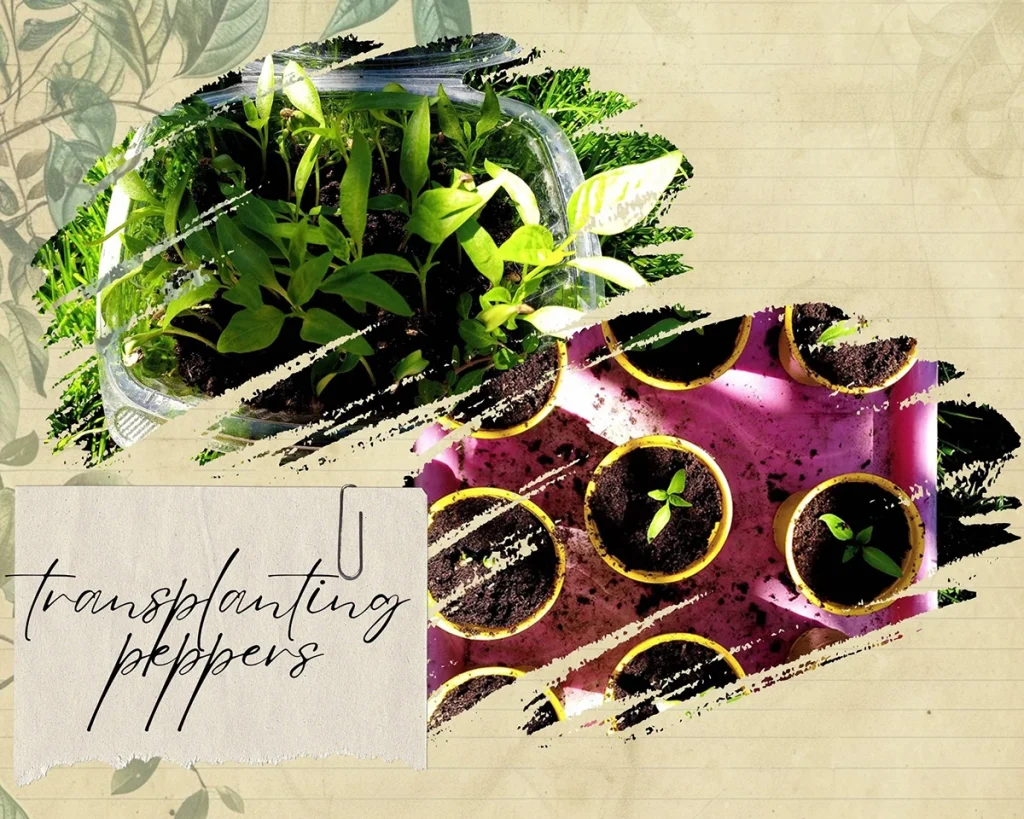
Benefits of Transplanting
- Root Resilience: Those roots? They are the unsung heroes. Transplanting encourages robust root growth.
- Plant Community: Picture a garden party. Seedlings mingle, and roots whisper tales of survival.
- Greener Tomorrow: Transplanting is not just about your garden. Healthy plants absorb carbon dioxide, hug the soil, and dance with bees.
Preparing for Transplanting
Transplanting—it is like orchestrating a botanical ballet. The stage is set, the seedlings are ready, and you are the conductor. But before the curtain rises, let us fine-tune our instruments. Here is how to prepare for this green symphony:
Assessing Your Garden and Plants
- Garden Gazing: Stand back, squint your eyes, and take in your garden. Where will your seedlings shine? Which spots need a splash of green magic?
- Plant Party: Understand your plant needs. Are they stretching toward the sun or sulking in the shade? Some plants crave the spotlight; others prefer a cozy nook. Listen to their whispers.
Selecting the Right Plants for Transplanting
- The Bravehearts: Choose seedlings with a glint in their leaves. Tomatoes, peppers, and zucchinis are like backpackers ready to explore new soil.
- Size Matters: Seedlings should be at that teenager stage—past the baby phase but not yet full-grown. Think rebellious sprouts with attitude. They will adapt faster than a chameleon at a color-changing contest.
Gathering Necessary Tools and Materials
- Trowel Talk: Your trusty trowel is your sidekick. It digs holes, scoops soil, and occasionally moonlights as a wand.
- Watering Can Love: Your seedlings crave hydration. Find a watering can that sings when it pours.
- Soil Mix Magic: Mix compost, coconut coir, and a dash of optimism. It is like baking a cake for your plants. They will grow with a secret smile, knowing they are rooted in love.
Timing Considerations: Choosing the Best Time for Transplanting
- Sunset Whispers: Transplant during the golden hour. The sun is softer, and your seedlings feel like stepping onto a red carpet.
- Moons Blessing: If you transplant during a waxing moon, It is like giving your seedlings a cosmic boost.
Step-by-Step Guide to Transplanting
Here is how to prepare for this green symphony:
Preparing the New Planting Site
- Soil Preparation: Imagine your soil as a cozy bed for your seedlings. Clear debris, loosen the earth, and mix in compost. It is like fluffing the pillows—your plants will thank you.
- Sunlight and Water Considerations: Scout your garden. Where does the sun linger? Which spots get a gentle breeze? Your seedlings have preferences. Place them where they will bask in sunlight and sip raindrops like afternoon tea.
Preparing the Transplant
- Watering the Plant: Hydrate your seedlings. It is like giving them a pre-transplant spa day. They will strut into their new home, leaves perked up, ready for their debut.
- Gently Loosening the Soil: Gently loosen the soil around the seedling. Roots need space to stretch, like yoga-loving squirrels.
Digging Up the Plant
- Techniques for Gentle Extraction: Think of it as plant surgery. Slide your trowel around the seedling, easing it out. No rush; roots are delicate, like whispered secrets.
- Ensuring Minimal Root Disturbance: Imagine you are lifting a sleeping baby. Cradle the roots, whisper encouragement.
Transplanting the Plant
- Proper Hole Depth and Width: Dig a hole in the new spot. Not too shallow, not too deep—just right. Your seedling will settle in, roots sighing with relief. When transplanting tomatoes, plant them deep in the ground up to the first leaves to create a better root system.
- Placing the plant Carefully: Lower your seedling into the hole. It is like introducing them at a garden party. Pat the soil around their roots, sealing the friendship.
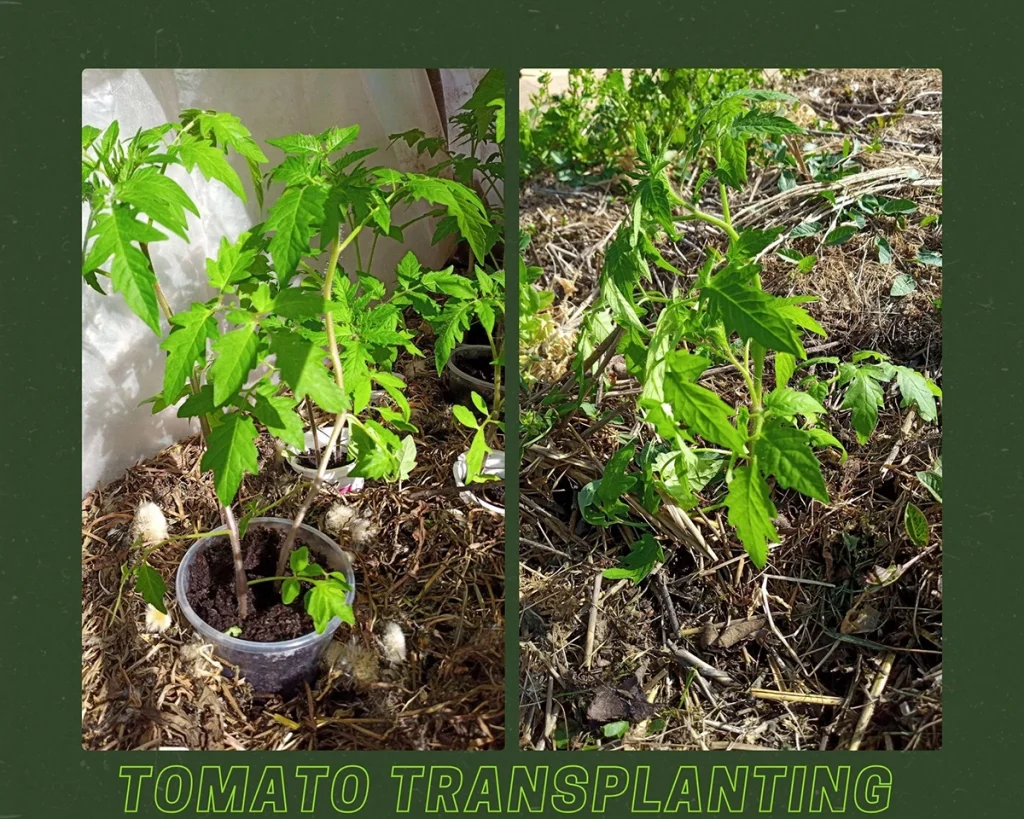
Watering and Mulching
- Watering Techniques for Newly Transplanted Plants: Shower them gently. Roots will hug the soil.
- Mulching for Moisture Retention and Weed Suppression: Lay down mulch—straw, leaves, wood chips, or Grass Clippings. It is like tucking your seedlings under a cozy blanket. Weeds will sulk; your plants will thrive.
Providing Post-Transplant Care
- Monitoring Plant Health: Be their guardian. Check for wilting leaves and signs of homesickness. It is like parenting—minus the teenage eye rolls.
- Fertilization and Additional Maintenance: Feed them love (and maybe a sprinkle of organic fertilizer). Prune and watch them grow. Your garden is now a green family, roots intertwined, stories unfolding.
Troubleshooting Transplanting Issues
Transplanting is like introducing your plants to a new neighborhood. Sometimes, they settle in like seasoned locals; other times, they throw a little tantrum. Let us troubleshoot those green hiccups and turn them into harmonious garden melodies.
Common Problems and Solutions
- Wilting Woes: Your seedlings slump like sulking teenagers. Solution? Water them. Roots need hydration hugs. If the soil is too dry, they will stage a protest.
- Yellow Leaf Drama: Leaves turn yellow like they are auditioning for a fall play. Check the soil pH—it is their mood ring. Adjust with compost or organic fertilizer. They will thank you with a standing ovation.
- Root Rot Blues: Roots, like introverts, hate soggy parties. Ensure well-draining soil. If they are drowning, it is time for a rescue mission.
Recognizing Signs of Stress in Transplanted Plants
- Leaf Quivers: Watch for trembling leaves. Give them time; they will settle. Maybe play some soothing jazz—plants dig jazz.
- Stunted Growth Pout: Seedlings cross their arms, refusing to grow. Check their roots. Are they circling like lost tourists? Gently untangle them. Roots need personal space, just like us.
Tips for Minimizing Transplant Shock
- Sunrise Serenade: Transplant during dawn is the golden hour. The sun is gentle. Seedlings wake up smiling, ready to explore.
- Mulch Blanket: Tuck them in with mulch. It is like a cozy quilt. Roots snuggle, weeds sulk. Win-win.
Conclusion
As we wrap up this green journey, let us gather our tools, wipe the soil from our hands, and reflect on our sustainable gardening adventure. Here is our final bow:
Recap of Key Points
- Transplanting Magic: Remember those seedlings? We moved them, whispered encouragement, and watched them stretch toward the sun. Transplanting is not just about roots; it is about resilience.
- Soil Serenades: Our soil mix became the growth stage. It is like baking a cake for our plants. They rise, layer by layer, their green frosting catching the sunlight.
- Troubleshooting Troubles: When leaves quiver or roots sulk, we troubleshoot. Water and mulch become our secret weapons. We are plant detectives, solving mysteries in the garden.
Final Thoughts on Sustainable Gardening Practices
- Let’s sow seeds with a purpose: Each seed is a vote for a greener world. Select wisely and witness your garden blossom into a haven for bees, butterflies, and dreams.
- Give attention to the leaves: When they tremble, they’re sharing secrets. When they stretch, they are reaching for the sky.
- Celebrate Growth: Each leaf is a stroke of hope. So, celebrate growth—yours and theirs.
Your Green Journey Begins
Transplant not just seedlings, but hope. Each one is the oath that life will thrive and the planet will exhale a little easier.
Happy gardening!
transplanting FAQS
Not at all! Transplanting might sound daunting, but it is actually quite simple. It is like giving your plants a new home—a chance to thrive in fresh soil and sunlight. With a slight know-how and gentle care, you’ll be a transplanting pro in no time.
Ah, timing is critical when it comes to transplanting. Every plant is different, so be sure to do research to find the perfect time for your specific green buddies.
It depends on the specific needs of your plants and your gardening goals. While some plants can be directly transplanted into the ground, others may benefit from starting in pots to establish stronger roots before being transferred. Consider the plant’s size, root structure, and environmental conditions to determine the best approach for successful transplantation.

